


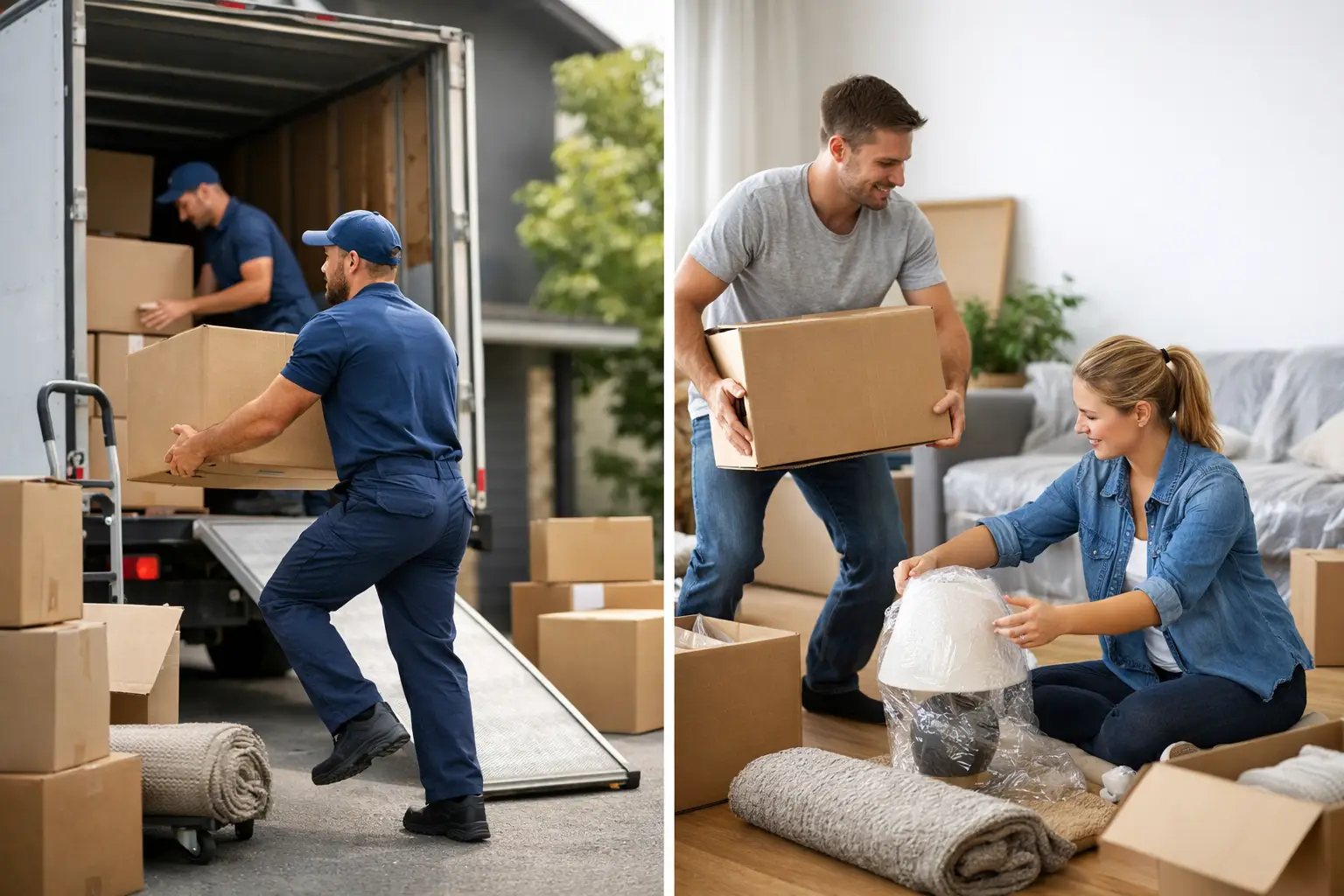
A move can look simple on paper: get boxes, rent a truck, ask a few friends, and spend a Saturday loading. The reality is usually less tidy. When weighing up a removalist or DIY move, the best choice comes down to more than the truck price. Your access, timeline, furniture, available help, and tolerance for disruption all matter.
For some smaller moves, doing it yourself is sensible. For a family home, a difficult apartment building, a steep driveway, or a move with a fixed settlement date, professional help can protect far more than your belongings. It can protect your time, your back, and your peace of mind.
Removalist or DIY: Start With the Real Cost
A DIY move can appear cheaper because the first number is clear: truck rental. But the full cost often grows once you add fuel, insurance excesses, moving boxes, packing tape, blankets, trolleys, straps, cleaning supplies, food for helpers, and extra rental time when the day runs long.
There is also the cost of time. Packing a home properly can take days, and loading a truck safely takes longer than most people expect. If you need to take time off work, arrange child care, or make multiple trips, the savings may quickly narrow.
A professional removal quote should make the service and expected charges clear from the start. It also gives you access to trained movers, suitable equipment, a correctly sized truck, and a team that knows how to load efficiently. With transparent pricing, you can compare the total cost rather than focusing only on the initial truck hire.
DIY may still be the better value when you are moving a small number of items, have easy ground-floor access, and can complete the job over several relaxed trips. A studio apartment move across town is very different from relocating a three-bedroom home with a piano, outdoor furniture, and a garage full of stored belongings.
The Physical Risk Is Easy to Underestimate
Heavy furniture does not become easier to move because several willing friends are holding it. Sofas are awkward around corners. Washing machines are difficult to secure. Solid timber pieces can be surprisingly heavy, while fragile items need protection from both impact and movement inside the truck.
Professional crews move these items every day. They know how to protect furniture, use dollies and lifting equipment, wrap delicate pieces, and distribute weight safely in the vehicle. This experience is especially valuable for staircases, narrow hallways, apartment elevators, waterfront homes, rural properties, and older houses with tight access.
A DIY move puts the responsibility for lifting, loading, and securing everything on you. One rushed lift can lead to an injury, a damaged wall, or a broken item that costs more to repair than professional assistance would have cost. It is worth being honest about what you are asking friends and family to handle.
Time Pressure Changes the Decision
Moving day rarely runs to plan. Keys may be delayed, elevators may require bookings, weather can change, and the last few cupboards always seem to contain more than expected. When your schedule is flexible, these interruptions may be manageable. When you must be out by a certain time, they can create real stress.
A removalist brings a plan and a working pace to the day. The crew can arrive with the right vehicle, protective materials, and equipment, then focus on the job without stopping to work out how to fit a mattress through a stairwell or where to find another set of straps.
This is particularly helpful for moves between Newcastle, Lake Macquarie, Maitland, Port Stephens, and surrounding Hunter Region areas, where travel time and property access can vary considerably. Local knowledge helps when a route, driveway, apartment entry, or parking arrangement needs practical attention before moving day.
If you choose DIY, give yourself more time than you think you need. Book the truck for longer than the ideal schedule suggests, confirm parking at both properties, and avoid leaving all packing until the final evening. A move becomes much harder when every task depends on the same few hours.
When DIY Is a Good Choice
DIY is not automatically a bad idea. It can work well when the move is genuinely small and low-risk. If you are transporting boxes, clothes, lightweight furniture, and a few personal items, a borrowed trailer or van may be all you need.
It is also a reasonable option if you have capable help, no stairs, easy parking, and enough flexibility to spread the move over several days. The key is to avoid treating a large household move like a small one. The more rooms, heavy items, and deadlines involved, the less forgiving a DIY plan becomes.
Before committing, consider whether you can safely manage these practical requirements:
- A vehicle large enough for the load, with appropriate insurance and secure tie-down points
- Enough reliable helpers for the full day, not just the first hour
- Protective materials for furniture, televisions, mirrors, and appliances
- Safe lifting equipment for bulky items and stairs
- A backup plan if weather, injury, delays, or a vehicle issue interrupts the move
If any of these points feels uncertain, professional support may be the more practical choice.
When Hiring a Removalist Makes Sense
A removalist is often the right option when the move involves a family home, valuable possessions, heavy furniture, difficult access, or a strict deadline. It is also a strong choice for people who simply do not have the time or physical capacity to manage every part of the process themselves.
Packing services can make an even bigger difference. Rather than living among half-filled boxes for weeks, you can have belongings packed systematically with suitable materials and clear labeling. Unpacking support, furniture disassembly and reassembly, and moving supplies can reduce the number of separate jobs you need to coordinate.
For office relocations, professional help is usually about business continuity as much as lifting. Workstations, IT equipment, files, and storage need to be moved in an organized sequence so employees can return to work with minimal downtime. The same principle applies to deceased estate clearances, where care, discretion, and respectful handling matter as much as efficiency.
Atlantis Removals provides insured professional crews for customers who want a local team accountable for the details of their move. That includes careful handling, clear communication, and practical support from packing through to placement at the new property.
A Hybrid Move Can Offer the Best Balance
You do not always have to choose one approach completely. A hybrid move can lower costs while removing the hardest parts of the job. For example, you might pack your own books, clothing, and kitchen items, while a removal team handles the large furniture, appliances, and fragile pieces.
Another option is to move smaller personal items yourself before moving day, then book professionals for the main load. This can be useful if you have a limited budget but do not want to risk moving a refrigerator down stairs or navigating a large truck through unfamiliar access points.
The important part is being clear about what remains your responsibility. If you pack yourself, use strong boxes, avoid overloading them, and label each carton by room and contents. Keep medications, documents, keys, chargers, and essential overnight items with you rather than placing them in the moving truck.
Make the Choice Before Moving Week
The best time to decide between a removalist and DIY is before boxes begin piling up in the hallway. Walk through each room, identify what is heavy or fragile, check access at both addresses, and calculate the real time you can commit. Then compare that picture with a detailed professional quote.
A cheap move that ends with damaged furniture, exhausted helpers, and a missed handover time is not much of a saving. On the other hand, a small, flexible move may not need a full-service crew. Choose the level of help that matches the size, risk, and importance of your move, so you can arrive at your new place ready to settle in rather than recover from moving day.