


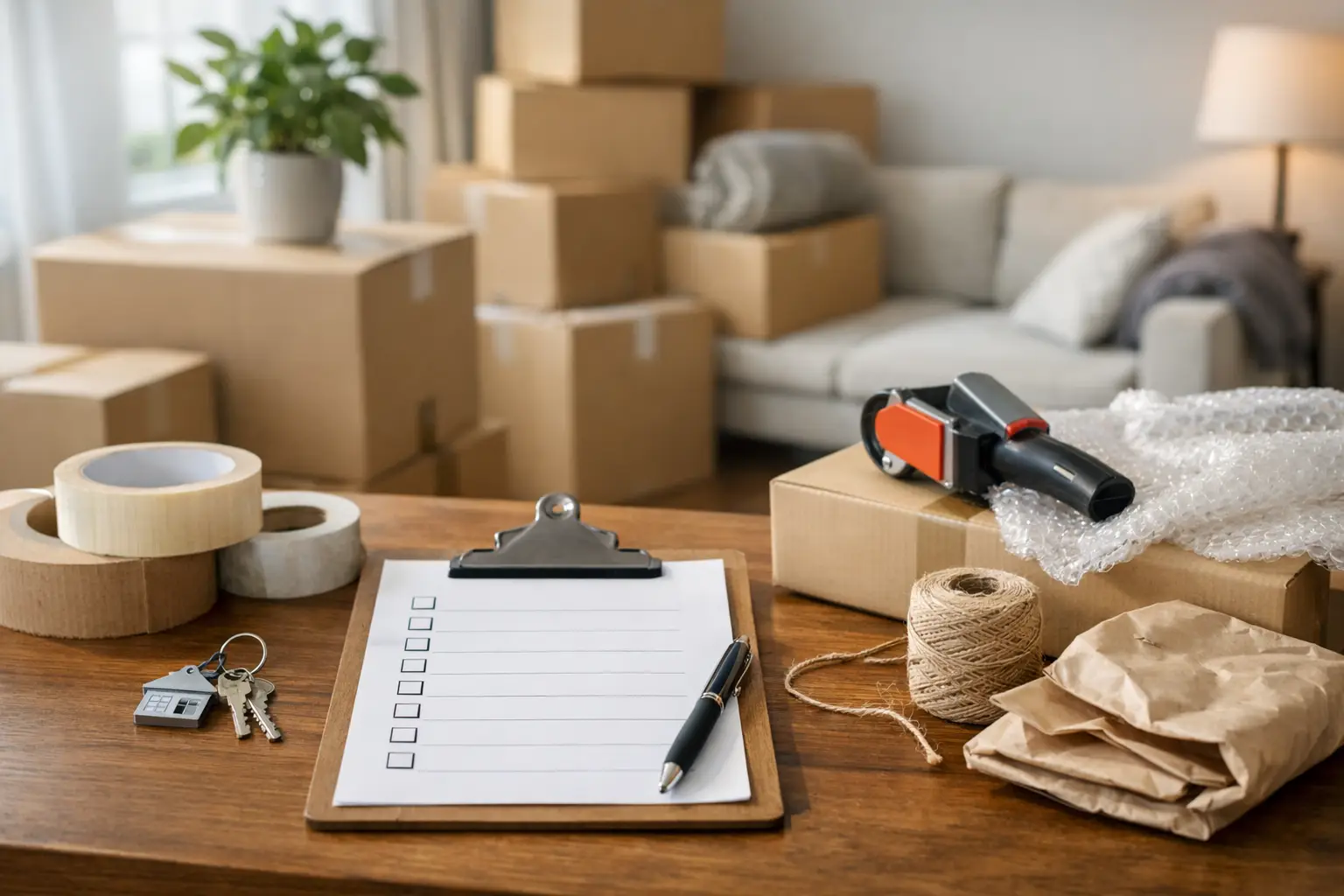
The last 24 hours before a move are where small oversights become expensive delays. A parking space that was never reserved, a fridge that is still full, or keys left with the wrong person can hold up an otherwise well-planned move. This moving day preparation checklist helps you focus on the details that let your crew work safely, protect your belongings, and keep the day moving forward.
Your Moving Day Preparation Checklist
1. Confirm the practical details the day before
Call or message your moving company to confirm the arrival window, pickup and delivery addresses, contact numbers, and any changes to access. If you are moving from or into an apartment, confirm the lift booking, loading dock rules, building manager requirements, and the time your allocated access begins.
For homes in Newcastle and the Hunter Region, access can vary more than people expect. A steep driveway, narrow rural road, waterfront stairs, low-hanging branches, or limited street parking may affect where the truck can safely stop. Let your movers know before the day begins so they can plan the right approach rather than losing time on arrival.
2. Reserve clear parking and a safe path
The closer the truck can park to the door, the faster and safer the move will be. Keep the driveway clear, move personal vehicles, and ask neighbors not to block the loading area where possible. If street parking is tight, check whether council permits or building approvals are needed ahead of time.
Inside, create a clear route from each room to the exit. Roll up loose rugs, secure cords, remove low furniture from hallways, and keep pets and young children away from loading areas. This is not only about speed. Clear walkways reduce the risk of trips, damaged walls, and injuries while heavy items are being carried.
3. Finish packing or clearly separate unpacked items
Every carton should be closed, taped, and labeled with its destination room and a brief description of its contents. Labels such as “Kitchen – everyday plates” or “Main bedroom – linens” are more useful than simply writing “Kitchen” or “Bedroom.” Mark fragile cartons on more than one side, and avoid overfilling boxes just to use fewer of them.
If you have booked professional packing, set aside anything you do not want packed, including documents, medications, valuables, and items needed that night. If you are packing yourself, do not leave loose items scattered across benches, drawers, or wardrobes unless you have discussed this with your movers. Loose belongings take longer to secure and are easier to misplace.
Keep a separate “do not move” zone with a sign or brightly colored tape. This is useful for cleaning supplies, items being donated, luggage traveling with you, or furniture staying behind.
4. Prepare an essentials bag for the first night
Your essentials should travel with you, not in the moving truck. Even a short local move can run longer than expected due to settlement timing, access issues, weather, or a delayed handover of keys.
Pack a bag or small box with the things you will need immediately:
- Photo identification, keys, lease or settlement documents, and important contact numbers
- Medication, glasses, chargers, wallets, and personal valuables
- Toiletries, towels, toilet paper, a change of clothes, and basic bedding
- Snacks, water, coffee or tea supplies, and food for children or pets
- Basic tools, a flashlight, phone power bank, and cleaning wipes
If you are moving with children, add comfort items, activities, and familiar snacks. For pets, prepare food, bowls, leads, bedding, and any required medication. A quiet room with the door closed, or care with a trusted friend, is often safer than having pets underfoot during loading.
5. Empty and prepare appliances
Refrigerators and freezers should be emptied, cleaned, and defrosted in advance. Ideally, defrost them at least 24 hours before the move, then dry the interior thoroughly and leave doors slightly open until loading. Water leaks can damage flooring, cartons, and nearby furniture.
Disconnect washing machines, drain hoses, and secure loose parts. Empty dishwashers, coffee machines, and other appliances that hold water. Check the manufacturer’s instructions for specialty appliances, particularly large refrigerators, dryers, and wine fridges. Some items need specific handling or a period upright before being switched back on.
Gas, electrical, and plumbing disconnections may require a qualified tradesperson. Movers can relocate many appliances, but they should not be expected to carry out work that must legally or safely be done by a licensed professional.
6. Protect high-value and sentimental items
Jewelry, cash, passports, legal papers, family photographs, heirlooms, and small electronics are best transported in your own vehicle. The same applies to irreplaceable items with high emotional value, even if they are not particularly large or expensive.
For larger valuables such as artwork, mirrors, antiques, or glass cabinets, point them out during the pre-move discussion and again when the crew arrives. Professional movers can plan the right wrapping, lifting, and placement, but only when they know what requires special attention. Take photographs of valuable items before moving day for your records.
7. Take apart what needs disassembly
Beds, large desks, modular lounges, and some wardrobes may need to be disassembled to move safely through doorways and stairwells. If your booking includes furniture disassembly and reassembly, make sure the relevant pieces are empty and accessible. Remove bedding, clear drawers, and set aside any parts that need to travel with the item.
If you are disassembling furniture yourself, place screws, brackets, and small hardware in labeled bags and tape them securely to the corresponding item where appropriate. Do not rely on memory when several similar pieces are involved. A few minutes of labeling can prevent a frustrating rebuild at the other end.
8. Check the new property before the truck arrives
If possible, visit the new property before moving day. Confirm that utilities are connected, pathways are clear, and there is enough room for the truck to park. Measure tight entrances, stairways, and lift interiors if you are concerned about a large sofa, refrigerator, or table.
Decide where major furniture will go before unloading starts. You do not need a perfect floor plan, but knowing which bedroom is which and where the main pieces belong saves repeated lifting later. Place labels on bedroom doors if the layout is unclear.
At the new home, protect floors and vulnerable surfaces where needed. If rain is expected, have towels ready and keep entryways as dry as possible. Moving in wet conditions is manageable, but it calls for extra care and realistic expectations about timing.
9. Complete a final room-by-room check
Before leaving the old property, walk through every room, cupboard, drawer, shed, garage, and outdoor area. Check behind doors, inside appliances, and on high shelves. This is especially important in homes with storage spaces, where tools, garden equipment, and spare keys are often forgotten.
Take final meter readings if required, photograph the property’s condition for your records, and return keys according to your lease or settlement instructions. Keep cleaning products and a small rubbish bag accessible until the final walkthrough is complete.
10. Be available, but let the crew work
Be present or nominate one decision-maker who can answer questions about access, furniture placement, and items requiring extra care. Give the crew a quick walkthrough, identify fragile or non-moving items, and explain any delivery instructions that are not obvious.
After that, avoid changing the plan repeatedly unless there is a genuine issue. A clear point of contact and straightforward directions help movers work efficiently. If something changes, such as a blocked driveway or delayed key collection, communicate it as early as possible so the team can adjust.
A well-prepared move does not mean every minute will go exactly to plan. It means the essentials are covered, the access is safe, and the people handling your belongings have the information they need. With the practical details organized before the truck arrives, you can spend moving day settling into what comes next rather than chasing avoidable problems.