


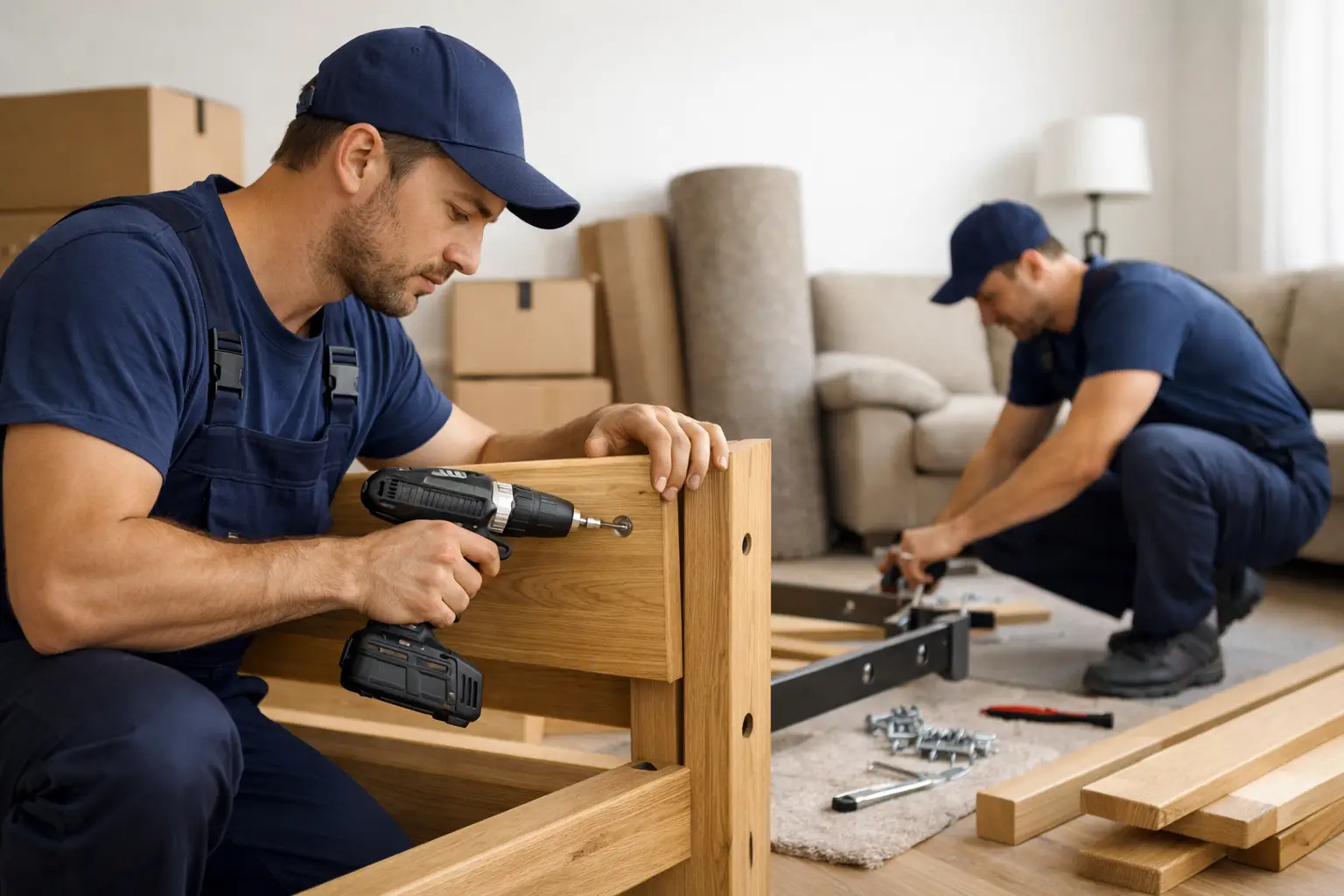
A sectional sofa that will not clear the stairwell, a king bed frame built in a tight bedroom, or a desk too large for an apartment elevator can stop a move before the truck is even loaded. So, can movers dismantle furniture? In many cases, yes. Professional movers can disassemble suitable furniture for safe transport and reassemble it at your new property, provided the service is arranged in advance and the item can be handled safely.
Furniture disassembly is one of the most practical ways to prevent damage, save time at difficult access points, and make better use of space in the moving truck. It is not necessary for every item, and it is not always the right choice. The best approach depends on the furniture itself, the access at both properties, and whether the piece can be taken apart without compromising its strength or warranty.
Can movers dismantle furniture safely?
Experienced crews regularly dismantle common household and office furniture as part of a planned relocation. This may include bed frames, modular sofas, dining tables, desks, bookcases, wardrobes designed for disassembly, and office workstations. The aim is not to take everything apart. It is to remove only the sections needed to carry the item safely through doors, hallways, elevators, staircases, and loading areas.
A professional team will assess the furniture before starting. They will consider its construction, weight, existing condition, access restrictions, and how it will be protected in transit. Hardware should be kept together and clearly identified so reassembly is straightforward at the destination. Components are wrapped or padded to help protect corners, finishes, glass, and moving parts.
For homes across Newcastle and the Hunter Region, this can be particularly valuable where access involves narrow staircases, older homes with tight doorways, waterfront properties with uneven paths, or apartment buildings with booked elevator times. A piece that looks simple to move from the living room can become difficult once it reaches the front door.
Furniture movers can usually take apart
Most sturdy, purpose-built furniture that uses bolts, screws, clips, or removable legs is a good candidate for disassembly. Bed frames are among the most common examples. Removing a headboard, footboard, side rails, and slats makes the frame easier to carry and protects walls and door frames along the way.
Tables often benefit from having their legs removed, especially large dining tables and desks. Modular lounges may separate into individual sections, while some recliners have removable backs. Flat-pack furniture can sometimes be dismantled, although this requires more caution because repeated assembly can weaken particleboard panels or fastener points.
Office moves often involve dismantling workstations, desks, meeting tables, shelving, and selected storage systems. This work should be planned around the business schedule so staff can return to a functional workspace with minimal disruption. If computers, monitors, and cables are involved, labeling and packing them carefully is just as important as taking the furniture apart.
Items that need extra care or may not be suitable
Not every piece of furniture should be dismantled. Antique furniture, glued joinery, fragile veneer, damaged flat-pack pieces, and custom-built cabinetry may be safer to move as a whole. Taking apart an older piece can cause joints to loosen, timber to split, or decorative surfaces to chip.
Furniture with integrated electrical parts also needs special consideration. Adjustable beds, powered recliners, entertainment units with built-in wiring, and desks with complex cable management may require manufacturer instructions or a specialist. Movers can often transport these items safely, but the dismantling process may be limited.
Built-in wardrobes, wall-mounted shelving, and cabinetry are generally not standard removal items. They may be fixed to the structure of the property, and removing them can create repair work, affect rental obligations, or require a licensed trade professional. If an item is fixed, unusually valuable, or already unstable, mention it when requesting your quote rather than assuming it can be disassembled on moving day.
Why arranging disassembly ahead of time matters
Furniture disassembly takes time, tools, and planning. A moving crew arriving to find several beds, desks, and wardrobes that need to come apart may need to adjust the schedule, crew allocation, or quote. Clear information before moving day helps prevent avoidable delays and ensures the right equipment is available.
When you request a quote, provide photos of large or awkward furniture and explain any access challenges. Include details such as stairs, elevators, narrow hallways, steep driveways, parking restrictions, and whether the destination has different access from the pickup property. This gives the removal team a realistic picture of the job.
It also helps to say whether you want reassembly included. Disassembly without reassembly can be useful if you are renovating, placing belongings in storage, or planning to replace furniture. For most household moves, however, having key pieces reassembled means you can use your bed, dining table, or home office sooner.
How to prepare furniture for the movers
You do not need to start removing bolts or separating pieces yourself unless you are confident in the process. Partly dismantled furniture can create confusion, missing hardware, or unstable pieces that are harder to protect. Instead, clear personal items from drawers, shelves, and compartments before the crew arrives.
If there are manufacturer instructions, keep them handy. This is especially useful for newer furniture, adjustable beds, modular systems, and office workstations. Let the movers know about hidden fasteners, removable sections, previous repairs, or any part that has a history of sticking or wobbling.
Before the move, take a few simple steps:
- Empty drawers, cabinets, and desk pedestals unless your moving team has advised otherwise.
- Remove loose glass shelves, lamps, decorations, and personal belongings.
- Photograph cable connections for TVs, monitors, and office equipment before unplugging them.
- Set aside manuals, spare hardware, keys, and remote controls in a clearly labeled box.
- Point out pre-existing scratches, weak joints, or damaged components to the crew.
These small preparations allow the movers to focus on safe handling rather than searching through drawers or trying to identify loose parts.
What happens during reassembly?
At the new property, the crew can reassemble agreed furniture in the rooms you nominate. It is helpful to decide where major items will go before unloading begins. This avoids moving a heavy bed frame or desk twice because the layout changes after it has been rebuilt.
Reassembly generally covers returning the furniture to a stable, usable state. It may not include complex installation tasks, wall mounting, electrical connections, plumbing, or alterations to make a piece fit a new space. For example, a crew can reassemble a dining table, but they should not be expected to cut down its legs to fit a low ceiling or mount a television bracket to the wall.
Check each reassembled item before the team leaves. Confirm beds are secure, tables are level, and drawers or doors operate as expected. If anything needs clarification, it is easier to address while the crew and the relevant hardware are still on site.
The value of professional furniture disassembly
Trying to force a large item through a doorway is one of the quickest ways to damage furniture, walls, and floors. Professional disassembly reduces that risk while keeping the move organized. It can also make a genuine difference for heavy pieces, multi-level homes, and moves with limited loading time.
The service does involve added labor, so it may increase the cost of a move. But for many households and businesses, that cost is preferable to replacing a damaged bed frame, losing hardware, delaying settlement day, or struggling with furniture after an exhausting move. A transparent quote should make clear whether dismantling and reassembly are included or priced as an additional service.
Atlantis Removals can discuss furniture disassembly as part of a tailored moving plan, so the crew, time, and equipment match the job rather than relying on last-minute assumptions.
A move goes more smoothly when the difficult pieces are identified early. Tell your removal team what will not fit, what needs careful handling, and what you need ready first at the new address. That conversation can turn an awkward moving-day obstacle into a well-managed part of the plan.