


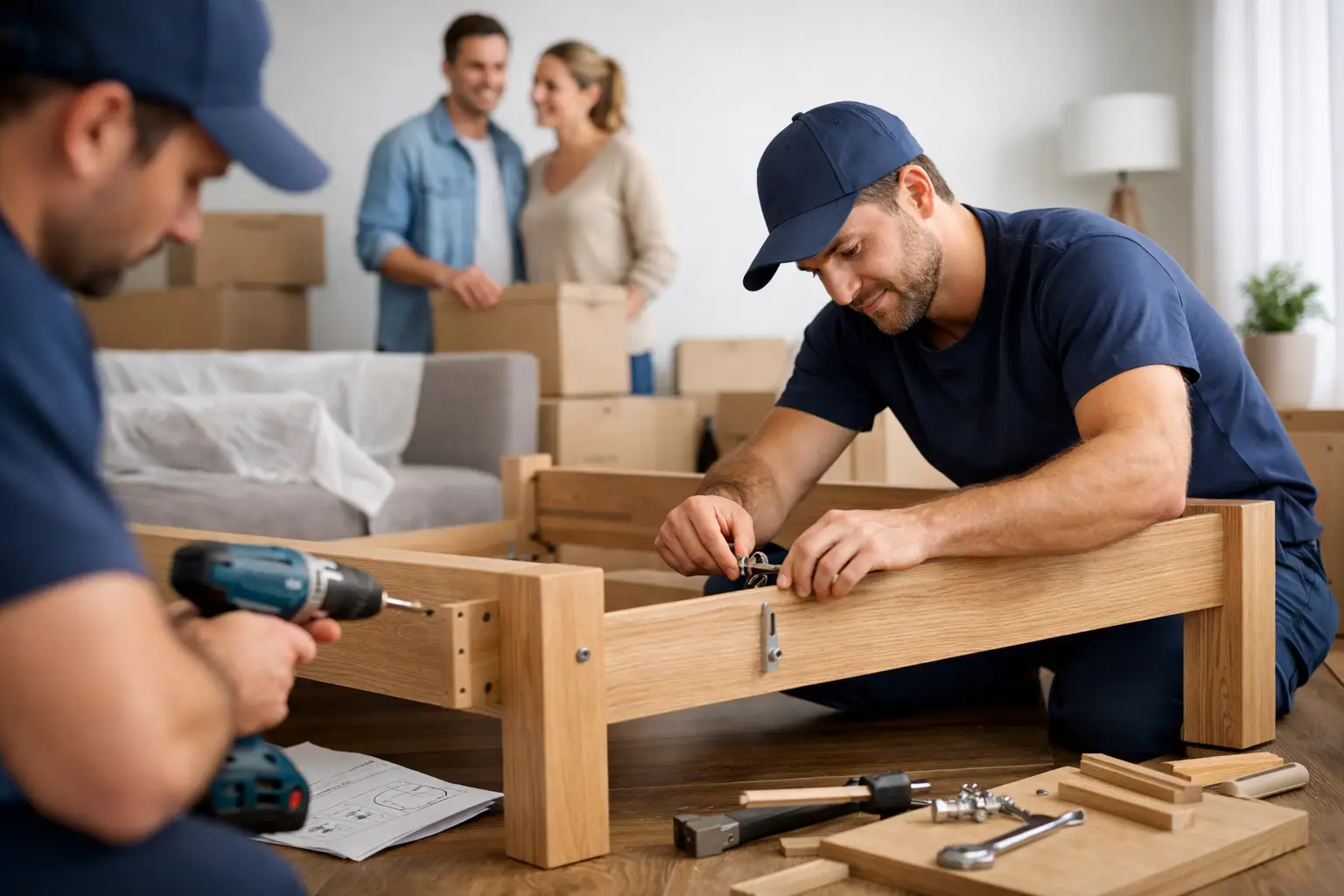
A bed frame that will not line up at the end of a long move can make a new house feel far from home. Furniture reassembly after moving is more than a final task on a checklist. Done carefully, it protects your furniture, makes rooms usable sooner, and avoids the frustration of missing hardware, damaged fittings, or an unstable piece that needs to be taken apart again.
For many households, the best time to think about reassembly is before moving day. Larger items often need to come apart to pass safely through doorways, stairs, elevators, and tight hallways. The way they are dismantled, labeled, wrapped, and transported has a direct effect on how efficiently they go back together.
Why furniture reassembly after moving needs planning
Flat-pack furniture, bed frames, dining tables, wardrobes, modular lounges, desks, and shelving can all look straightforward until they are separated into panels, legs, brackets, and fasteners. A single misplaced cam lock or incorrectly packed screw bag can hold up an entire room.
Some furniture is designed to be disassembled repeatedly. Other pieces are not. Particleboard units, older wardrobes, and furniture with glued joints can weaken when taken apart and rebuilt. In those cases, the right approach depends on the item’s condition, its value, the access at each property, and whether moving it intact is realistically safe.
Professional planning also reduces the risk of damage that is easy to miss in the rush of moving. For example, screws tightened too aggressively can strip engineered wood, while an unsupported tabletop can crack around its fixing points. Reassembly is careful work, not simply a matter of putting pieces back where they seem to fit.
What should be disassembled before a move?
The goal is not to dismantle everything. It is to make transport safer and access easier without creating unnecessary work at the destination. Bed frames and large dining tables are commonly taken apart, as are desks, tall shelving, modular furniture, and bulky wardrobes that cannot be moved safely through the property as one piece.
Drawers may be removed from heavier cabinets to reduce weight and prevent them from opening in transit. Mirrors, glass shelves, and loose components should be separately protected. In some cases, furniture legs can stay attached if the item can be wrapped, carried, and loaded safely. Keeping components together where practical saves time later.
A reliable moving crew will assess the item itself as well as the route. A sofa may fit through a wide suburban entry but be difficult to maneuver through an apartment stairwell. A large cabinet that is easy to carry from a ground-floor home may require different handling on a steep driveway or rural property. Local experience matters because access is often the real challenge.
Prepare furniture so it goes back together properly
A little preparation makes a major difference when boxes are arriving and everyone wants to settle in. Before the move, take clear photos of complex items from several angles. Photograph the hardware placement, cable routing, hinge positions, and any adjustable settings. These photos are especially useful for desks, entertainment units, and storage systems.
Keep hardware with its matching item rather than placing every screw and bracket into one container. Small, labeled bags work well, and those bags should be secured to a sturdy part of the furniture or packed in a clearly marked essentials box. Do not tape a hardware bag directly to finished timber or delicate surfaces, as adhesive can leave marks.
For a smoother reassembly process, make sure these details are covered:
- Label each furniture component with the room and item name, such as “main bedroom bed” or “study desk.”
- Measure large pieces and compare them with doorways, stairs, elevators, and the room where they will be placed.
- Keep assembly instructions, specialty tools, remote controls, and power cords together.
- Empty drawers, shelves, and cabinets unless a mover confirms that selected contents can safely remain in place.
If you are packing yourself, avoid placing heavy boxes on flat furniture panels. Even well-wrapped boards can bow or chip under too much pressure. Corners, edges, and glass components need extra protection because they are most vulnerable during loading and unloading.
Set up the new home in the right order
Not every item needs to be rebuilt on the day of the move. Prioritizing the rooms that support daily life helps reduce stress and keeps the property safer to move around in. Start with beds, essential seating, a dining table or basic work surface, and any furniture needed for children, older family members, or pets.
Bedrooms generally come first because a properly assembled bed provides a place to rest even if boxes remain unpacked. Next, focus on the living area and kitchen-adjacent furniture. Home offices can be prioritized when work needs to resume quickly, particularly for people working remotely.
Before reassembly starts, confirm where each item will live. Moving a fully assembled wardrobe or desk across a room is inconvenient, and moving it between floors is harder still. Check wall clearances, power outlets, window access, and door swing before tightening the final fittings.
For office moves, the order is even more important. Desks, workstations, filing units, and meeting-room furniture should be assembled according to the business’s reopening plan. A business may need reception, essential staff work areas, and secure records access ready first, while nonessential storage and breakout areas can follow. This approach helps reduce downtime rather than simply filling rooms as items come off the truck.
When professional reassembly is the better choice
There is nothing wrong with assembling a simple side table yourself. But larger, heavier, or more complex furniture can be a poor job to tackle after a physically demanding day. Professional furniture reassembly is particularly useful for king-size bed frames, wardrobes, multi-part desks, dining settings, shelving systems, and items that need two people to position safely.
It also brings accountability. An experienced crew understands how to protect surfaces, align components, tighten fittings without damaging them, and identify when an item has a pre-existing issue. If hardware is missing or a panel is damaged, it is better to recognize that before forcing the piece together.
This service can be especially helpful for families moving with young children, older residents, tenants on a tight handover schedule, and businesses that cannot afford a drawn-out setup. It is also worth considering when you are moving into an apartment with limited parking, a building with elevator booking requirements, or a home with difficult access.
Atlantis Removals can coordinate disassembly and reassembly as part of a broader moving plan, so the people handling the furniture understand how it was packed, transported, and intended to be placed. That continuity can save time and prevent confusion at the destination.
Common reassembly mistakes to avoid
The most common mistake is rushing. Furniture may appear complete while a support rail is reversed, a bracket is missing, or a locking mechanism has not fully engaged. A wobbly table, unstable bed, or leaning bookshelf is not a minor inconvenience. It can cause damage or create a safety risk.
Another issue is using the wrong tool. Power drivers can be useful, but they can also over-tighten fasteners and strip threaded inserts. Hand-tightening is often safer for the final adjustment, particularly with flat-pack furniture and older timber pieces.
Do not ignore the floor beneath the furniture. Assemble heavy items on a protective blanket or cardboard where needed, then use furniture pads when sliding them into their final position. This is particularly important on timber, tile, and newly finished floors.
Finally, secure tall furniture once it is assembled. Bookcases, display units, and wardrobes may need to be anchored to the wall, particularly in homes with children or in areas where movement and vibration can affect stability. Make sure this is planned before boxes or furniture block access to the wall.
A calmer finish to moving day
The right furniture setup turns a property full of cartons into a home or a functioning workplace. Keep essential hardware organized, make access and room placement decisions early, and give complex or heavy pieces the careful handling they require. When the last bed is stable and the key rooms are ready to use, the move feels less like disruption and more like a fresh start.