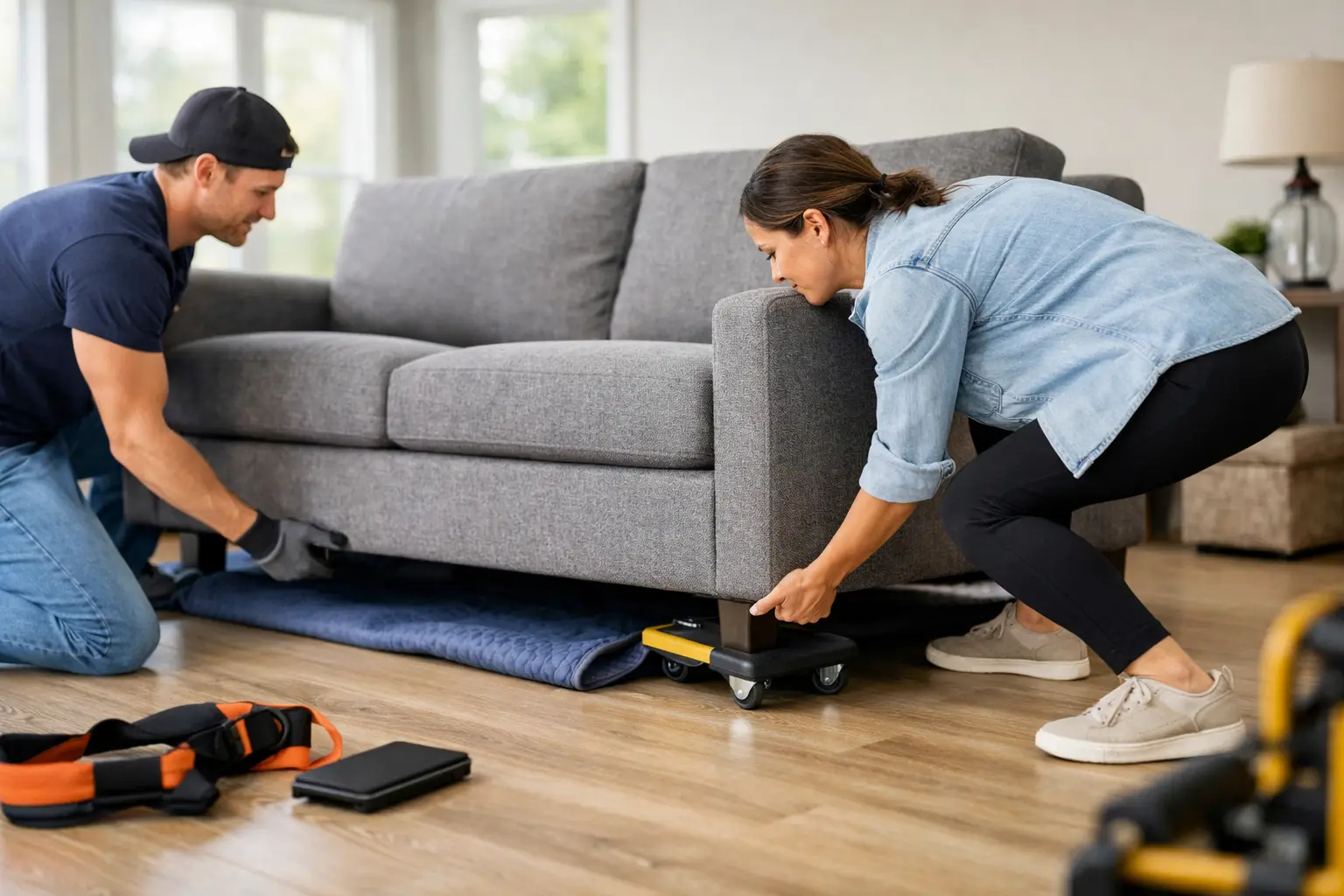



Complete Residential Moving Guide for a Calmer Move

A household move can unravel long before the truck arrives. A missed elevator booking, an underestimated staircase, or boxes packed without a plan can add hours to moving day. This complete residential moving guide focuses on the details that protect your belongings, your schedule, and your peace of mind.

Start Planning Before You Start Packing

The best time to organize a move is as soon as you know the date. Booking early gives you more choice around preferred moving times and allows a professional crew to plan for access, vehicle size, special items, and the scope of the job. This matters particularly during weekends, school holidays, and the busier end-of-month period.

Begin with a simple inventory of each room. You do not need to count every book or kitchen utensil, but you should identify large furniture, fragile items, outdoor equipment, appliances, and anything that may need extra attention. Include furniture that will be sold, donated, left behind, or disposed of. A realistic inventory leads to a more accurate quote and prevents surprises on moving day.

It also helps to measure large pieces before the move. Compare sofas, refrigerators, bed frames, and cabinets with doorways, hallways, stairwells, and elevator dimensions at both properties. Some furniture can be dismantled and reassembled, while other pieces may need a different route into the home. Knowing this early is far less stressful than discovering a problem with a loaded truck waiting outside.

Build a Moving Timeline That Fits Your Home

Most moves go more smoothly when tasks are spread across several weeks rather than compressed into the final few days. If your timeline is shorter, prioritize the work that affects access, safety, and essential belongings first.

Four to six weeks before moving day

Confirm your move date, request quotes, and choose the level of help you need. A full-service move may include packing, loading, transport, furniture disassembly and reassembly, unloading, and unpacking. A more budget-conscious move may involve packing your own cartons while leaving the heavy lifting and transport to professionals. The right choice depends on time, budget, physical ability, and how much preparation you can realistically manage.

Now is also the time to notify your utility providers, insurer, bank, employer, schools, medical providers, and subscription services. Arrange the transfer or disconnection of electricity, gas, internet, and water where required. If you are moving into an apartment building or managed complex, ask about loading zones, elevator bookings, parking restrictions, and move-in rules.

Two to three weeks before moving day

Start packing items you use least often: books, decor, out-of-season clothing, spare linens, garage contents, and rarely used kitchen equipment. Label each carton on at least two sides with its destination room and a short description of the contents. “Kitchen – glassware” is more useful than “miscellaneous.”

Create one clearly marked essentials box for the first night. Include medications, chargers, toiletries, toilet paper, basic cleaning supplies, a change of clothes, pet supplies, important documents, and simple snacks. Keep passports, jewelry, financial paperwork, and irreplaceable personal items with you rather than placing them in the moving truck.

The final week

Confirm arrival times, contact details, parking arrangements, and any access changes with your moving company. Empty, defrost, and dry refrigerators and freezers in accordance with the manufacturer’s guidance. Use up food where practical, and check what your mover can and cannot transport. Hazardous materials, fuel, chemicals, and some batteries often require separate handling.

Pack a small bag for every family member, especially children. Familiar items can make the first night in a new home feel more manageable. If pets are moving too, arrange a quiet and secure place for them during loading and unloading, or consider having them stay with a trusted person for the day.

Pack for Protection, Not Just Speed

Packing is where many preventable moving problems begin. Overfilled boxes are difficult to lift safely and can fail from the bottom. Underfilled boxes allow contents to shift and break. Use strong cartons, good-quality tape, and appropriate packing materials rather than relying on damaged grocery boxes or loosely packed bags.

Keep boxes at a manageable weight, particularly for books, tools, and pantry items. Place heavier items at the bottom and lighter items on top. Wrap individual fragile items, fill empty space so contents cannot move, and mark cartons containing breakables clearly. Plates are generally safer packed vertically in a well-cushioned carton than stacked flat.

Mattresses, televisions, mirrors, artwork, and glass tabletops deserve specific protection. Original packaging is ideal for electronics when available, but properly fitted cartons and protective wrap can also help. Take photos of cable connections before unplugging entertainment systems or home office equipment. It saves time when you are setting up again.

Do not use drawers as a catch-all for loose items. Lightweight clothing may be left in some drawers if the furniture is designed to travel that way, but loose objects can damage the drawer mechanism or the items themselves. Ask your moving crew what they recommend for your particular furniture.

Plan Access at Both Addresses

A capable crew can handle difficult access, but clear information allows them to arrive prepared. This is especially relevant in Newcastle and the Hunter Region, where moves may involve narrow streets, steep driveways, waterfront properties, rural roads, apartment loading docks, or older homes with tight staircases.

Before moving day, identify where the truck can park and how far items must be carried. Reserve parking where necessary and let neighbors know if access may be temporarily affected. Check for low branches, gates, loose gravel, uneven paths, and construction works. At the new home, decide which entrance will be used and make sure walkways are clear.

For apartments, confirm whether elevators must be booked, whether protective coverings are required, and whether there are time limits for moves. A building manager may also require proof of insurance from the moving company. These arrangements can feel administrative, but they often determine whether the day runs efficiently or begins with an avoidable delay.

Make Moving Day Easier for Everyone

On the morning of your move, walk through the property before the crew starts. Point out fragile pieces, items that are not moving, and any furniture requiring disassembly. If you have a preferred order for unloading, mention it early. Clear communication helps the crew work efficiently while ensuring your priorities are understood.

Keep children and pets away from loading areas, and keep pathways free of boxes, shoes, cords, and loose rugs. The goal is not to make the home look perfect. It is to reduce trip hazards and give movers safe room to carry heavy items.

Before the truck leaves, check closets, cupboards, the garage, outdoor storage, and behind doors. Turn off lights, secure windows, and retain keys, remotes, and access cards. At the destination, direct boxes and furniture into the correct rooms as they come off the truck. It takes a little more attention at the door, but it prevents a tiring reshuffle later.

Choose Moving Support Based on the Real Job

The lowest quote is not always the best value if it omits insurance, packing materials, travel time, stair carries, or other likely requirements. Ask what is included, how access constraints are handled, and whether the crew is experienced with your type of property. Clear pricing and clear answers are signs of a company that takes accountability seriously.

Full packing is particularly useful for busy families, older adults, people recovering from injury, and moves with tight deadlines. On the other hand, self-packing can work well when you have time and want more control over sorting. There is no single right approach. The best plan is the one that matches the complexity of your move without asking too much of you at the last minute.

Atlantis Removals can help households plan the practical details, from careful packing and heavy furniture to local access challenges and delivery timing. A detailed quote is the right place to discuss what your home needs, rather than trying to force every move into the same package.

Once the essentials are unpacked, resist the pressure to finish the whole house immediately. Set up beds, bathrooms, basic meals, and a comfortable place to sit first. A well-planned move gives you room to settle in gradually, with the important things already where they need to be.

Best Boxes for Moving House: What to Buy

A box that gives way halfway down the driveway can turn a well-planned move into a damaged-item claim, a cleanup job, and a lot of unnecessary stress. The best boxes for moving house are not simply the cheapest ones you can find. They are the right size, strength, and shape for what you need to carry – and they help your belongings arrive safely without making the load harder to handle.

For most households, using a small range of purpose-made moving boxes is far more reliable than collecting a pile of mismatched supermarket cartons. Quality boxes stack properly in the truck, protect items in transit, and give packers and movers safer loads to lift. The result is a quicker, more organized moving day.

What Makes a Moving Box Worth Buying?

A good moving box starts with strong corrugated cardboard. Look for clean, dry cartons with firm corners and no soft spots. Double-walled boxes provide added protection for heavier items and long-distance moves, while standard single-walled cartons can work well for lighter household goods.

Size matters just as much as strength. Oversized boxes look efficient, but they can become too heavy to lift safely when filled with books, tools, cookware, or files. Smaller boxes are better for dense, heavy belongings. Larger boxes should be reserved for light but bulky items such as linens, pillows, lampshades, and soft toys.

Uniform boxes also make a real difference. When cartons have similar dimensions, they stack securely and make better use of space in a moving truck. That reduces shifting during transport and makes unloading easier at the other end.

The Best Boxes for Moving House by Room

There is no single box that suits every item in your home. A practical box order includes a mix of sizes, plus a few specialty cartons for fragile or awkward belongings.

Small boxes for heavy items

Small moving boxes are the workhorses of a household move. Use them for books, canned food, tools, DVDs, small appliances, paperwork, and cookware. Their compact size limits how much weight you can put in each carton, which helps protect both the box and the person lifting it.

Do not be tempted to fill a large carton with books just because there is space. A box that is too heavy is difficult to carry, more likely to split, and harder to place safely in a truck. Keep heavy cartons manageable and label them clearly.

Medium boxes for everyday household goods

Medium cartons are often the most useful option for kitchens, bedrooms, bathrooms, and living areas. They suit crockery when packed carefully, pantry goods, toys, shoes, framed photos, folded clothing, and small decor items.

For breakables, line the base with crumpled packing paper, wrap each item individually, and fill empty gaps so nothing can move. Plates should be packed upright on their edges rather than stacked flat. Mark the box “Fragile” and identify the room it belongs in, but remember that careful packing is still the first line of protection.

Large boxes for light, bulky belongings

Large cartons are useful, but only when used with restraint. Pack bedding, towels, cushions, stuffed animals, lightweight plasticware, and bulky clothing into these boxes. They are not designed for heavy kitchen equipment, books, or stacks of records.

A large box should feel full without becoming difficult to lift. If it is underfilled, add clean packing paper or soft items to prevent the contents from collapsing or shifting when stacked.

Wardrobe boxes for hanging clothes

Wardrobe boxes are one of the most convenient options for family moves. They include a hanging rail, allowing you to transfer clothing directly from the closet into the box. At your new home, clothes can be hung back up quickly without folding, creasing, or mixing them with other belongings.

They are especially helpful for suits, dresses, coats, and delicate garments. Because wardrobe boxes take up more room than standard cartons, they are best used for clothes that genuinely need to stay hanging rather than every item in the closet.

Picture, mirror, and specialty boxes

Artwork, mirrors, televisions, lamps, and other fragile shapes need more than a standard box. Adjustable picture boxes or purpose-made cartons provide a closer fit and reduce the risk of impact damage. Wrap each piece with protective material, reinforce corners, and avoid leaving empty space inside.

For televisions and electronics, the original manufacturer’s carton is ideal if you still have it. If not, use a correctly sized specialty box with internal padding. Take a quick photo of cable connections before disconnecting anything. It makes setting up your home office or entertainment area much easier after the move.

How Many Moving Boxes Do You Need?

The number of boxes depends on the size of your household, how long you have lived there, and how much you are taking with you. A lightly furnished apartment may need only a modest mix of cartons, while a family home with storage areas, a garage, and years of accumulated belongings can require far more than expected.

Rather than buying boxes room by room at the last minute, walk through your home and count what needs packing. Check cupboards, linen closets, sheds, under-bed storage, and the top shelves that are easy to forget. Kitchens and garages usually take more boxes than people anticipate.

It is sensible to order a small buffer rather than running out while packing the final rooms. Unused clean boxes can often be kept for storage, reused for a later delivery, or passed on to someone else who is moving.

New Boxes vs. Used Boxes

Used boxes can save money, particularly for lightweight, non-fragile items. However, not every secondhand carton is suitable for a move. Avoid boxes that are damp, torn, stained, badly creased, or previously used for food. Weak cardboard can fail without warning, and food boxes may attract pests or carry odors.

New moving boxes offer consistency, clean surfaces, and known strength. They are usually the better choice for fragile belongings, electronics, books, and anything that will be stacked for a long trip or stored after the move. For households moving through apartments, steep driveways, or rural access roads around the Hunter Region, reliable cartons are particularly worthwhile because boxes may be handled more often from door to truck.

A mixed approach can work well. Use new, strong cartons for valuables and heavy items, then reserve sound used boxes for cushions, towels, or other lightweight belongings.

Packing Supplies That Matter as Much as the Box

Even the strongest box will not protect an item that is loose inside it. Packing paper, quality tape, permanent markers, labels, and protective wrap all play a part in a safe move. Tape the bottom seam of every box, even if it appears secure, and reinforce heavier cartons with an extra strip across the base.

Avoid using newspaper directly against delicate items where possible, as ink can transfer. Plain packing paper is cleaner and easier to use. Towels and linens can add protection around sturdy items, but they should not replace proper wrapping for glassware, ceramics, or valuable pieces.

Label each carton on at least two sides with the destination room and a brief description of its contents. “Kitchen – everyday plates” is much more helpful than simply writing “Kitchen.” If a box should remain upright, mark it clearly, although fragile labels should support careful packing rather than substitute for it.

Pack for Safe Lifting and Efficient Loading

A well-packed box is full enough to hold its shape but not packed so tightly that the sides bulge. Keep the weight balanced, place heavier goods at the bottom, and use lighter material to fill the top. Once closed, the flaps should lie flat without force.

Do not leave boxes unsealed for movers to guess at. Closed, taped, and labeled cartons are safer to load and easier to stack. Keep essential documents, medications, keys, chargers, and a change of clothes in a separate bag that travels with you instead of in the moving truck.

If packing feels like the biggest part of the job, professional packing support can remove much of the pressure. An experienced local removal team can supply suitable cartons, pack fragile belongings correctly, and load the truck in an order that protects your items and keeps delivery efficient.

The right boxes give your move a calmer start. Choose sturdy cartons that match the items inside, pack them with care, and you will spend far less time worrying about what might be happening inside the truck.

When an Unpacking Service After Moving Pays Off

The moving truck may be gone, but the move is not always over. When the kitchen is buried in boxes, beds still need assembling, and the family needs to function by Monday, an unpacking service after moving can turn a house full of cartons into a usable home much sooner.

For many households, unpacking is the part of moving that lingers. It is easy to put away the essentials, then live around unopened boxes for weeks. Professional help gives the final stage of your move a clear plan, careful hands, and a practical finish.

What does an unpacking service after moving include?

Unpacking is more than cutting tape and placing items on the nearest shelf. A professional crew works through the home in a sensible order, helping establish the rooms you need first while protecting your belongings and your new space.

The exact scope should be agreed on before moving day. Some customers need support with only the kitchen and main living areas. Others want a full-home setup after a large family move, a downsizing move, or a long-distance relocation. The service can often be paired with packing, furniture disassembly and reassembly, and box removal so there is one coordinated plan from departure to settling in.

A typical unpacking appointment may include:

  • Bringing labeled cartons into the correct rooms
  • Unpacking household items with care and placing them where requested
  • Assembling beds and other approved furniture so key rooms are ready to use
  • Setting up practical spaces such as kitchens, bathrooms, bedrooms, and living rooms
  • Flattening and collecting used packing materials and empty boxes
  • Keeping a clear area for cartons you prefer to unpack yourself

The aim is not to decide how you should live. It is to do the physical, time-consuming work to your direction, so your home starts feeling organized without you spending every evening lifting, sorting, and breaking down cardboard.

Why unpacking support can be worth it

The value is often most obvious in the first 24 to 48 hours. Being able to sleep in an assembled bed, find towels without searching, and prepare a basic meal can make a significant difference after a demanding move.

It gets the essential rooms working first

A good crew does not treat every box as equally urgent. Your kitchen, bathrooms, bedrooms, and everyday living areas usually come before decorative pieces, books, seasonal items, and low-priority storage. That order reduces disruption, particularly for families with children, older relatives, pets, or a new job starting immediately after the move.

For an office move, the same principle applies. Workstations, chairs, files, and approved equipment can be positioned according to the relocation plan, helping staff return to work with less downtime. IT connections and technical configuration may require specialist providers, but a careful moving crew can place equipment where your team needs it.

It reduces the heavy work after an already demanding day

Moving creates fatigue quickly. Even customers who are comfortable packing often find the final lifting, bending, reaching, and carton disposal more work than expected. This is especially true in apartments with elevators, homes with stairs, waterfront properties with limited access, or rural properties where the truck journey itself has been a long one.

Professional movers are used to handling furniture and boxes safely. They can also keep walkways clear while the home is being set up, which is important when children, pets, or tradespeople are coming and going.

It prevents the “we will get to it later” problem

There is no harm in unpacking gradually if you have the time and prefer to make every organizing decision yourself. But delayed unpacking can make a new home feel temporary for longer than necessary. Cartons collect in spare rooms, garage space disappears, and important paperwork or household items become harder to locate.

A scheduled unpacking service creates momentum. You remain in control of decisions, while the work is completed during a defined window rather than being stretched across weekends.

When is professional unpacking the right choice?

This service is not essential for every move. A small local move with only a few boxes may be easy to manage independently, especially if you have help from family or friends and no urgent deadline. The decision comes down to the size of the move, your available time, and how quickly the property needs to be functional.

Professional unpacking is particularly useful when you are moving a larger household, settling children before school starts, recovering from an injury, managing a busy work schedule, or relocating from Sydney to Newcastle or elsewhere in the Hunter Region. It can also be a thoughtful option when an older family member is moving into a smaller home or when an estate property needs to be handled carefully and respectfully.

In those situations, the cost is not only about labor. It is about reducing pressure at a time when there are already keys, utilities, address changes, cleaners, deliveries, and other moving tasks competing for attention.

How to prepare for an efficient unpacking day

You do not need to have every cabinet plan finalized. However, a little direction helps the crew prioritize well and avoids putting items somewhere you will immediately want to change.

Before the appointment, identify the rooms that matter most and let the team know which furniture needs to be assembled first. If you have preferred locations for kitchen items, linens, children’s belongings, or fragile pieces, communicate those early. Keep personal documents, medication, valuables, and sentimental items in a separate box that stays with you unless you specifically ask for assistance.

It also helps to make sure utilities are connected and that the property is reasonably clean before unpacking begins. Shelves, drawers, and closets should be accessible where possible. If a building has elevator bookings, loading rules, or restricted parking, share those details ahead of time so the crew can plan appropriately.

Clear labels make a real difference. A carton marked “Kitchen – everyday dishes” gives the team a useful instruction. A carton marked only “miscellaneous” slows the process and makes it harder to place items correctly. If you are packing yourself, label the destination room on at least two sides of every box.

Choosing an unpacking team you can trust

You are inviting people into your new home at a vulnerable moment, often while your belongings are still exposed and your routines are unsettled. Choose a moving company that explains what is included, provides clear pricing, and is willing to tailor the work to your priorities.

Ask whether the crew is insured, whether furniture assembly is included or quoted separately, and how they handle fragile items and packing debris. It is also reasonable to ask how long the service is expected to take and whether the company can coordinate unpacking with delivery or moving-day schedules.

Local knowledge matters too. In Newcastle, Lake Macquarie, Maitland, Port Stephens, and surrounding areas, access can vary widely between apartment buildings, steep driveways, narrow streets, and larger rural properties. A local team understands that an efficient unpacking job begins with a well-planned arrival, not just fast work once boxes are inside.

Atlantis Removals approaches unpacking as part of a complete relocation service, with professional crews focused on careful handling, clear communication, and practical setup. The right plan can be as simple as getting the bedrooms and kitchen ready, or as detailed as preparing an entire home for immediate use.

Give yourself permission to get help

A new home does not have to be perfect on the first day. Pictures can wait, and the garage can be sorted later. But having a safe place to sleep, a usable kitchen, clear floors, and the essentials within reach changes how the first week feels.

If unpacking is the task standing between you and feeling settled, arranging experienced help can be a practical way to protect your time and start the next chapter with less clutter and more calm.

Packing Service for Moving House: Is It Worth It?

The half-packed boxes, the missing tape, the glassware still sitting in the cupboard at 10 p.m. – this is where many moves become stressful. A professional packing service for moving house takes that pressure off your household before moving day arrives. Rather than trying to pack an entire home around work, children, inspections, and everyday life, you have trained movers prepare your belongings properly and in the right order.

For families and households across Newcastle, Lake Macquarie, Maitland, and the Hunter Region, professional packing can turn a drawn-out task into a planned part of the move. It is not only about saving time. It is about protecting the things that matter, reducing last-minute decisions, and giving the moving crew a safer, more efficient load on the day.

What a Packing Service for Moving House Includes

A packing service can be tailored to the size of your home, the time available, and the level of support you need. Some customers want the whole house packed from kitchen to garage. Others prefer to handle clothing and personal items themselves, while leaving fragile, bulky, or difficult rooms to the professionals.

A full packing service generally covers the careful wrapping, boxing, labeling, and preparation of household belongings. This may include crockery, glassware, artwork, books, lamps, electronics, kitchen appliances, ornaments, linen, and items stored in cupboards or cabinets. Quality moving boxes and protective materials are selected to suit the item, rather than using whatever cartons happen to be available.

Furniture also needs preparation. Depending on the move, this can involve protective wrapping for timber surfaces, upholstered pieces, mirrors, and mattresses, as well as disassembly of suitable furniture before transport. When the crew arrives at your new home, agreed furniture can be reassembled so you are not left searching for screws after a long day.

The service should begin with a clear conversation about what is being packed, what is being moved separately, and any items requiring particular care. That includes antiques, heirlooms, delicate artwork, large televisions, or belongings with sentimental value. Clear labeling matters too. A box marked only “miscellaneous” is rarely helpful when you are looking for the kettle on your first morning in a new home.

Why Professional Packing Makes a Difference

Packing looks straightforward until you are faced with a full kitchen, overflowing storage spaces, and a moving date that cannot be changed. Professional packers work methodically. They know how to distribute weight in a box, how much cushioning fragile items need, and which items should not travel together.

This reduces the risk of breakages caused by overloaded cartons, loose contents, or poor stacking. It also helps protect your belongings during loading, transport, and unloading. Well-packed boxes are easier to carry safely, easier to stack in the truck, and less likely to collapse under other items.

Time is another major benefit. Packing a three-bedroom home can take a household many evenings and weekends, especially when you are sorting as you go. An experienced crew can often complete the work much faster because packing is their job, not another task squeezed into an already busy week.

There is also a practical benefit on moving day. When everything is packed, sealed, and labeled before the truck arrives, the removal crew can focus on loading carefully and efficiently. That helps keep the day moving, particularly where access is tight or time is limited.

When Is a Full Packing Service Worth It?

A full service is often the right choice when time is short, the household is large, or the move involves items that need specialist attention. It can be especially valuable for families managing school schedules, professionals relocating for work, older residents downsizing, or anyone moving after an unexpected change in circumstances.

It is also useful when access makes the job more demanding. Newcastle and the Hunter Region have their share of apartment buildings, waterfront homes, steep driveways, narrow streets, and rural properties with longer access roads. A well-prepared move gives the crew more time to manage those site conditions safely.

That said, full packing is not necessary for every move. If you have plenty of time, a smaller home, and are comfortable packing your own belongings, a partial packing service may be a better fit. Many customers choose professional help for the kitchen, breakables, artwork, and larger furniture, then pack low-risk items such as clothes, books, and bedding themselves.

The best option depends on your timeline, budget, and confidence. The goal is not to pay for services you do not need. It is to get the right level of support for a move that feels manageable.

What You Can Do Before the Packers Arrive

Professional packers can handle the physical work, but a little preparation helps the day run smoothly. Start by separating anything you are taking with you, such as passports, medication, jewelry, financial documents, chargers, keys, and items you will need during the first night. These should travel in your personal bag or vehicle, not in the moving truck.

It also helps to make decisions about what is staying, going, donating, or being disposed of before packing begins. Packers should not have to guess whether an old chair in the shed is coming to the new house. Sorting ahead of time means you are not paying to pack and transport items you no longer want.

If there are items that need special instructions, point them out early. Let the team know about fragile pieces, boxes that must be opened first, furniture that needs disassembly, or anything that cannot be moved. Hazardous materials, flammable liquids, gas bottles, and certain chemicals may require separate arrangements and should never be packed without checking first.

Questions to Ask Before Booking

Choosing a packing provider should be about more than finding the lowest quote. Ask what materials are included, whether the service covers packing and unpacking, and how fragile items are protected. You should also understand the timing: will packing happen the day before the move, over several days, or on moving day itself?

Ask how the provider handles access challenges and whether furniture disassembly and reassembly are available. If you are moving from an apartment, confirm arrangements for lifts, loading zones, parking, and building booking times. These details affect the plan, the crew size, and the time required.

Insurance and accountability should be discussed clearly. A professional moving company should explain its coverage and processes rather than leaving you to assume what is protected. Transparent pricing matters as well. A detailed quote helps you see what is included and avoid surprises after the move is underway.

Packing Is Also About Starting Well

The best moves are not always the fastest ones. They are the ones where the right preparations have been made, the crew understands the property, and your belongings arrive ready to be placed in their new home.

Atlantis Removals provides tailored packing and moving support designed around real households, real access conditions, and real deadlines. Whether you need every room packed or just the fragile items handled with extra care, choosing professional help can give you back the time and calm you need to focus on settling in.

Furniture Disassembly Before Moving Made Simple

A sectional sofa that will not clear the doorway, a bed frame with missing bolts, or a heavy dining table that cannot make a tight stair turn can slow down an otherwise well-planned move. Furniture disassembly before moving is often the practical step that protects your belongings, your property, and the people carrying each item.

It is not necessary to take apart every piece of furniture. In fact, disassembling an item unnecessarily can create extra work and increase the risk of lost hardware. The right approach is to assess what needs to come apart, prepare it properly, and make sure it can be reassembled safely at the new address.

When Furniture Disassembly Before Moving Makes Sense

The biggest reason to disassemble furniture is access. A piece may fit comfortably in a room but still be too large for a hallway, elevator, apartment entrance, stairwell, or truck. Removing legs, doors, shelves, headboards, or detachable sections can reduce the size and weight of an item enough to move it safely.

Large modular lounges, bed frames, wardrobes, dining tables, desks, and entertainment units are common candidates. Furniture with glass panels, stone tops, or long unsupported sections also deserves extra attention. Breaking an item down into manageable components can help prevent strain, scratches, chipped corners, and damage to walls or door frames.

Disassembly is especially useful when moving from or into apartments, townhouses, waterfront homes, or properties with steep access. Across Newcastle and the Hunter Region, access can vary greatly from one home to the next. A careful assessment before moving day helps avoid last-minute surprises when a bulky item reaches a narrow landing or driveway.

Pieces That Are Often Better Left Assembled

Some furniture is stronger and safer when it stays together. Solid timber chests, compact side tables, small bookcases, and well-built drawers may travel best as complete pieces when they can clear the access route. Taking apart older furniture, glued joints, or items with worn fittings can cause more harm than good.

Flat-pack furniture is another judgment call. If it has been assembled and moved several times, the particleboard, cam locks, and screw holes may no longer be as secure as they once were. It may still need to be disassembled for access, but it should be handled carefully and reassembled only where the fittings remain sound.

Plan the Work Before Moving Day

Good preparation turns furniture disassembly from a stressful task into a controlled part of the move. Start by measuring the largest items and comparing those measurements with doorways, hallways, elevators, staircases, and turns at both properties. Do not forget to account for handrails, light fittings, low ceilings, and parked vehicles that may affect access.

Check manufacturer instructions where available, particularly for adjustable beds, reclining lounges, wall units, and desks with cable management. Take clear photos before removing any parts. Photos of the back, underside, hardware locations, and cable connections can save a great deal of time when you are setting up your new home.

For furniture you plan to disassemble yourself, keep the process organized:

  • Empty drawers, cabinets, and storage compartments before lifting or taking anything apart.
  • Place screws, bolts, washers, and brackets from each item in a labeled bag.
  • Tape the labeled bag securely to a protected part of the matching furniture, not to a polished or delicate surface.
  • Wrap removable legs, glass shelves, and vulnerable edges separately to prevent rubbing during transport.
  • Keep essential tools, instructions, and a marker in one clearly labeled box that travels with you.

Avoid placing loose hardware in a general toolbox or kitchen drawer. A single missing connector can make a bed, desk, or wardrobe unusable when you need it most.

Protect Each Piece During Disassembly

Taking furniture apart is only half the job. Each component still needs protection for loading, transport, and unloading. Tabletops can flex if they are carried without support. Bed rails can become scratched or bent. Doors and drawers can swing open if they are not secured correctly.

Remove glass shelves and panels whenever practical, then wrap and label them individually. Protect corners with padded coverings and keep timber surfaces separated from metal hardware. If a dining table has detachable legs, wrap the legs as a bundle but avoid placing them directly against the tabletop.

For electronics and office furniture, photograph cable connections before unplugging anything. Label power cords, monitor arms, keyboard trays, and desk components so they return to the right workstation. This is particularly helpful for office moves, where a missing bracket or cable can delay a staff member from getting back to work.

It also helps to think beyond the item itself. Heavy furniture should be lifted with the right equipment and enough people, even after it has been disassembled. Removing a bed headboard does not make a large mattress easy to maneuver, and removing table legs does not make a stone tabletop safe to carry without proper support.

Avoid These Common Moving-Day Problems

The most common mistake is deciding to disassemble furniture after the truck has arrived and the move is already underway. This can add significant time, create avoidable pressure, and leave you searching for tools or packaging at the last minute. Identify difficult pieces during the quote or walkthrough stage instead.

Another issue is over-tightening screws during reassembly. This can strip threads, crack flat-pack panels, or damage timber. Tighten fittings securely, but do not force them. If hardware no longer grips properly, the item may require replacement fittings or professional repair before it is safe to use.

Be cautious with furniture that includes gas struts, electrical components, built-in lighting, or complex reclining mechanisms. These items may require specific handling instructions. Forcing a mechanism apart can damage it or create a safety risk.

Finally, do not rely on tape alone to hold structural parts together. Tape is useful for securing protective materials and keeping drawers closed, but it is not a substitute for bolts, brackets, or proper lifting methods.

When Professional Disassembly Is Worth It

Professional help is often worthwhile for heavy, valuable, awkward, or complex furniture. An experienced moving crew can assess access, use the right tools, protect components, and keep hardware paired with the correct item. This reduces the chance of damage and avoids the frustration of arriving at your new property with furniture that cannot be rebuilt.

It can also make the rest of the move more efficient. When a crew knows in advance that a king bed, large wardrobe, modular sofa, or office workstation needs to come apart, they can plan the loading order and time required. That means fewer delays and clearer expectations on moving day.

Atlantis Removals can coordinate furniture disassembly and reassembly as part of a full moving service, helping households and businesses manage bulky items with care. This is particularly useful when access is limited, when time matters, or when you would rather focus on settling into the new space.

Before booking, be clear about which items need attention and share photos or measurements if possible. Mention any stairs, elevators, tight entries, fragile finishes, or special mechanisms. The more accurate the information, the better the moving plan can be.

A well-handled move is not about taking everything apart. It is about making sensible decisions before the lifting starts, protecting the pieces that matter, and ensuring your furniture arrives ready for its next room.

Moving House With Heavy Furniture Safely

A sofa that barely clears the hallway, a solid timber dining table, or a refrigerator that needs to come down a narrow staircase can change the whole moving plan. Moving house with heavy furniture is not simply a matter of having a few extra hands available. It requires a clear path, the right equipment, careful lifting, and decisions that protect both people and property.

For many households, the heaviest items are also the most valuable or most used. They are often awkward to grip, difficult to maneuver, and unforgiving when a corner is misjudged. A little preparation can prevent damaged walls, strained backs, broken furniture, and a stressful delay on moving day.

Plan the route before moving heavy furniture

The route from each room to the moving truck matters as much as the furniture itself. Measure large pieces, then measure doorways, hallways, stairwells, elevators, gates, and any tight turns. Do not rely on a quick visual estimate. A few inches can decide whether an item fits flat, needs to be angled, or must be partly disassembled.

Walk the route with the furniture in mind. Look for low light fixtures, loose rugs, uneven paving, steep driveways, wet surfaces, and parked vehicles that reduce access. In Newcastle and the wider Hunter Region, this can be particularly relevant for older homes with narrow entries, apartment buildings with booking requirements, waterfront properties, and homes reached by sloping driveways.

If an item will not safely clear the opening, stop and reassess before attempting to force it through. Removing doors from hinges, taking off sofa legs, or separating a bed frame may create the clearance needed. In other cases, a window or balcony lift may be the safer option, but this should be assessed by experienced movers rather than attempted casually.

Measure more than the furniture

A furniture item can fit through a doorway but still become stuck on the turn immediately after it. Account for the item’s height, width, depth, and diagonal measurement, especially for tall cabinets, sectional sofas, and refrigerators. Also consider the space needed for the people carrying it. Two movers need room to communicate, adjust their grip, and step safely.

Prepare each piece for safe handling

Heavy furniture should be emptied before it is moved. Drawers full of books, dishes, or clothing add weight and can shift unexpectedly. Remove shelves, glass panels, detachable cushions, and other loose components where practical. Keep screws, brackets, and small parts in labeled bags taped securely to the relevant item or packed in a clearly marked box.

Protecting furniture is not only about avoiding scratches. Moving blankets, padded covers, and plastic wrap help keep doors and drawers closed, prevent fabric from catching, and reduce damage when items need to be set down temporarily. Cardboard corner protectors can be useful for timber tables and cabinets.

Floors, walls, and door frames need protection too. Cover vulnerable flooring and use doorway protectors where large pieces are likely to brush past. This is especially worthwhile in rental properties, newly renovated homes, and shared apartment corridors where any damage can become an expensive issue.

Use the right equipment, not just more effort

A team of strong people without the right equipment can still be at risk. Furniture dollies, hand trucks, shoulder straps, lifting slings, ramps, and padded moving blankets all have a role, but only when used correctly.

A four-wheel furniture dolly can make moving a large cabinet across level flooring much easier. A hand truck is useful for appliances and tall, stable items. Straps may help distribute weight, but they do not make an oversized piece safe on stairs or around a blind corner. Equipment reduces strain and improves control. It does not replace sound judgment.

Avoid dragging heavy furniture across hard floors or carpet. It can damage flooring, stress furniture joints, and make the item difficult to control. Furniture sliders can help with short movements inside a room, but they are not a substitute for safely lifting and carrying an item through the home.

Lift as a team and communicate clearly

Before anyone lifts, agree on the route, resting points, and commands. One person should lead the movement, calling out turns, steps, and stops. Simple instructions such as “lift,” “walk,” “stop,” and “lower” prevent confusion when visibility is limited.

Keep the load close to the body, lift through the legs rather than the back, and avoid twisting while carrying weight. If a piece starts to slip or the route becomes unstable, set it down safely. Trying to recover a falling cabinet or appliance is how injuries happen.

Stairs deserve extra caution. The person walking backward down a staircase cannot always see their footing, while the person below carries a greater share of the weight. This is one of the clearest situations where professional help is usually worth considering, particularly for large appliances, pianos, solid wood furniture, or oversized modular lounges.

Know which items need professional movers

Some furniture is heavy but manageable with preparation and a capable team. Other pieces carry enough risk that a professional crew is the sensible choice. This is not just about the item’s weight. Its shape, value, fragility, and access conditions all matter.

Professional movers are especially helpful for:

  • Refrigerators, washers, dryers, and large appliances
  • Pianos, pool tables, safes, and other exceptionally heavy items
  • Large solid timber wardrobes, sideboards, and dining tables
  • Furniture that must travel up or down stairs, through tight hallways, or across steep access points
  • Valuable antiques, glass-front cabinets, and items with sentimental value

Experienced crews can assess access before the move, bring appropriate equipment, and use proven loading methods to keep furniture stable in transit. They can also disassemble and reassemble suitable items, which often saves time and reduces the chance of damage.

Insurance coverage is another consideration. A professional moving service should clearly explain what is covered, what preparation is required, and whether particular high-value items need to be declared in advance. Clear information is more useful than vague promises when you are trusting someone with the heaviest pieces in your home.

Load heavy furniture with the destination in mind

The moving truck should be loaded deliberately, not filled in the order items reach the driveway. Heavy, sturdy pieces generally go in first and are positioned to create a stable base. Mattresses, padded blankets, and lighter boxes can then be used to protect surfaces and fill gaps.

Weight should be distributed evenly across the truck. A poorly balanced load can shift during braking or turns, putting furniture and the vehicle at risk. Nothing should be left unsecured. Tie-downs, padding, and careful stacking prevent movement that can damage drawers, legs, and corners during transport.

Think ahead to unloading as well. If the new home has a difficult staircase or an upstairs bedroom, tell the moving crew before loading begins. The order of the truck can then support a more efficient unload, rather than requiring heavy items to be moved around twice.

Give yourself time for the difficult pieces

Heavy furniture rarely responds well to a rushed schedule. Allow extra time for disassembly, building access, elevator reservations, driveway positioning, and unexpected tight spots. If you are moving from or into an apartment, confirm parking arrangements and loading-zone rules with the building manager ahead of time.

A full-service team such as Atlantis Removals can handle packing support, furniture disassembly, transport, and reassembly when the job calls for it. For households balancing work, children, settlement times, or a long-distance move, that support can turn a physically demanding task into a more controlled process.

The safest move is usually the one that respects the limits of the furniture, the property, and the people doing the lifting. When a piece feels too heavy, too awkward, or too risky for the access available, choosing experienced help is a practical decision that protects what matters most.

Best Way to Pack a Kitchen Without Breakage

The kitchen is usually the last room people want to pack and the first one that reveals how much they own. A few cupboards can hold hundreds of fragile, awkward, and heavy items. The best way to pack a kitchen is to work in zones, use the right box for each item, and keep only the essentials available until moving day.

Packing this room well protects more than dinner plates. It prevents injuries from overloaded cartons, avoids the frustration of searching for the kettle on your first morning, and gives your movers safer boxes to carry. Start early if you can. A kitchen often takes longer than expected because every drawer needs sorting before it can be packed.

The Best Way to Pack a Kitchen: Start With a Clear Plan

Begin by emptying one cupboard, drawer, or shelf at a time. Do not spread kitchen contents across the whole house. It makes it harder to see what has been packed, what still needs cleaning, and what you need for the final few days.

Sort items into three groups as you go: keep, donate, and discard. Moving is a practical time to let go of chipped mugs, duplicate utensils, expired pantry goods, and appliances that have not been used in years. There is little value in paying to move things that will stay in a box at the new home.

Keep a small area or labeled tote for your moving-day kitchen essentials. This should include enough plates, cups, cutlery, a saucepan, a sharp knife with a cover, dish soap, a tea towel, coffee or tea supplies, and basic snacks. If you have children, add their familiar cups, bottles, and easy meal items. Pack this tote last and keep it with you rather than in the moving truck.

Gather packing materials before you begin

Kitchen items need more protection than clothing or linens. Small and medium moving boxes are generally safer than large boxes because dishes, jars, and appliances become extremely heavy very quickly. You will also need packing paper, sturdy tape, a marker, bubble wrap for particularly fragile pieces, and dividers or cell boxes for stemware if available.

Use clean packing paper rather than newspaper around dishes and glasses. Newspaper ink can transfer onto light-colored ceramics, glassware, and serving pieces. Towels and dishcloths can provide cushioning inside boxes, but they should not replace proper wrapping for fragile items.

Pack by Category, Not by Convenience

It is tempting to put everything from one cupboard into the nearest box. That approach often creates a carton full of mixed weights and fragile pieces with little protection. Instead, pack similar items together and use the right technique for each category.

Plates, bowls, and serving dishes

Wrap plates individually with packing paper and stack them on their edges inside the box, much like records in a crate. Plates are stronger when packed vertically than when laid flat in a tall stack. Place a cushioning layer at the bottom of the carton, fill gaps around the sides, and add another layer of paper on top before sealing.

Pack bowls in small nested groups only after wrapping each one. Large platters, baking dishes, and serving bowls should be wrapped separately and positioned upright where possible. Keep the box compact, but do not force items into place. Movement inside a carton is what causes most breakage.

Glassware, mugs, and stemware

Wrap every glass individually, including sturdy drinking glasses. Start by placing paper inside the glass, then roll it in additional sheets and tuck the ends securely. For wine glasses and other stemware, protect the stem with extra paper and use a cell box or dividers when possible.

Mugs can be wrapped one by one, with extra cushioning around handles. Do not pack mugs inside each other unless they are designed to stack. A handle pressed against another mug is likely to crack when the box is lifted or set down.

Pots, pans, and cooking tools

Nest pots and pans with a layer of packing paper, tea towels, or soft cloth between each piece to prevent scratches. Put lids on their sides rather than flat across the top, and wrap glass lids separately. Heavy cast-iron cookware should go into small boxes only, with enough padding to stop it shifting.

Bundle cutlery in small groups, then wrap the bundles in paper. Sharp knives require extra care. Wrap each knife in several sheets of paper or a protective sleeve, fold the paper securely around the blade, and clearly mark the outside of the bundle. Never leave loose knives in a box.

Small appliances and pantry items

If you still have the original packaging for appliances, use it. If not, wrap each appliance, remove loose parts, and pack them in a snug box with padding. Secure cords with a twist tie or tape them gently against the appliance so they do not scratch other items.

Dry pantry goods are often worth moving if they are unopened, sealed, and reasonably light. Use small boxes for cans, jars, oils, and sauces. Check every lid, place glass jars upright, and line the carton with a plastic bag or towel in case of a leak. Avoid moving opened liquids, half-used cooking oils, or anything likely to spill.

Keep Boxes Safe to Lift and Easy to Unpack

A well-packed kitchen box should feel full but not strained. Fill empty spaces with crumpled paper, then gently shake the carton before sealing. If you hear or feel movement, add more cushioning. Do not use a box that is soft, torn, damp, or previously weakened by heavy items.

Label each carton on at least two sides. Include the room, a clear category, and handling instructions where needed. For example, write “Kitchen – Everyday Plates – Fragile” rather than simply “Kitchen.” Specific labels help movers place boxes in the right area and make your first night much easier.

Avoid writing “fragile” as the only instruction. Fragile boxes still need to be packed correctly and kept to a manageable weight. Marking a carton does not make it safe if it contains loose glasses or twenty pounds of cookware.

Prepare Appliances Before the Move

Large kitchen appliances need attention before packing day. Empty and defrost refrigerators and freezers well ahead of time, then dry the interior thoroughly. A damp fridge can develop odors or mildew during transport. Remove shelves and drawers if practical, wrap them, and secure doors according to the appliance instructions.

Dishwashers, coffee machines, and water-filtered appliances should be emptied and drained. Check that any water lines are disconnected by an appropriately qualified professional if needed. For specialty appliances, take a quick photo of the connections before anything is disconnected. It can save time when setting up at the new home.

If you are moving from an apartment, waterfront property, steep driveway, or rural home, let your moving team know about access conditions early. The right information helps them plan for stairs, parking, narrow entries, and the safest route for heavy appliances.

Know When Professional Packing Is Worth It

Professional packing can be especially helpful when time is short, there is a large collection of glassware or china, or you are coordinating a family move while managing work and children. It also makes sense when a kitchen must be cleared as part of an estate process, where items may need to be handled thoughtfully and sorted with care.

A professional crew brings the materials, packing methods, and pace needed to protect fragile belongings without turning the move into a week-long project. Atlantis Removals can provide packing and unpacking support alongside your move, which allows you to choose help for the whole kitchen or only the most fragile and time-consuming items.

Before sealing the final kitchen box, pause and look around the room. Check the top shelves, inside the oven, behind drawers, and under the sink. Then leave yourself one labeled essentials tote and a clean bench for moving day. That small bit of order makes the first cup of coffee in your new kitchen feel much more like home.

Choosing a Local Moving Company Newcastle

If you are comparing options for a local moving company Newcastle residents can rely on, the real question is not just who can lift boxes. It is who can move your home or workplace without adding confusion, delays, or damage to an already stressful day. In a region with apartment access limits, older homes, steep driveways, busy suburban streets, and longer regional routes, local knowledge matters more than many people expect.

A move can look simple on paper and still become difficult in practice. A third-floor unit with limited lift access, a narrow street that restricts truck parking, or a property outside town with soft ground after rain can all affect timing and cost. That is why choosing the right removalist is less about finding the cheapest hourly rate and more about finding a team that knows how to plan properly, communicate clearly, and handle your belongings with care.

Why a local moving company in Newcastle makes a difference

There is a practical advantage in hiring a team that already understands the area. Local crews are more likely to know which buildings require booking windows, which neighborhoods create access challenges, and how long certain routes really take at different times of day. That helps avoid the kind of surprises that turn a straightforward move into a long and expensive one.

This also matters for the way your move is organized. A company with real on-the-ground experience can give more accurate advice during the quote stage, ask better questions about access, and help you prepare for issues before moving day. That level of planning reduces stress because fewer decisions are left until the truck is already outside.

For households, that may mean advice on furniture disassembly, packing support, or the best order to load a truck. For businesses, it may mean scheduling after hours, coordinating workstations and files, and reducing downtime. In both cases, local experience tends to show up in the details.

What to look for before you book

Price will always matter, but it should not be the only factor. A low quote can lose its value quickly if it does not include key services, if the crew arrives unprepared, or if extra charges appear once the job starts. Clear pricing is usually a sign of a company that has enough experience to scope work properly.

You should also look for a professional, insured team with a clear process. That includes confirming addresses, access conditions, inventory details, large or delicate items, and any packing requirements before the move date. Good movers ask questions early because they are trying to prevent problems, not react to them later.

Careful handling is another non-negotiable. Furniture, appliances, office equipment, and sentimental items all require different methods. Protective wrapping, secure loading, and the right lifting techniques are not extras. They are part of a professional standard.

Communication is often the clearest sign of what your experience will be like. If a company is hard to reach before booking, vague about timing, or unclear about what is included, that uncertainty usually carries through to moving day. Reliable movers make things feel more manageable because they explain the process in plain terms and stick to what they promise.

The trade-off between budget and service

Not every move needs the same level of support. Some customers only need transport and labor. Others want a full-service move with packing, unpacking, furniture disassembly, reassembly, and supply delivery before the job. The right option depends on your timeline, budget, and how much you want to handle yourself.

A lower-cost move may work well if you are already packed, access is easy, and the job is small. But if you are moving a family home, downsizing after many years, or relocating a business, paying for extra preparation often saves time and reduces the risk of breakage or delay. What seems cheaper at the start is not always cheaper once lost time, replacement costs, and added stress are taken into account.

That is especially true for awkward moves. Large lounges, antique furniture, office desks, IT equipment, and heavy appliances all benefit from experienced handling. The more complex the move, the more value there is in using a team that can manage the entire process with confidence.

Residential moves need more than transport

Most people think of moving as a truck and two movers, but residential relocations are rarely that simple. Families often have mixed priorities at once: protecting fragile items, keeping children settled, working around settlement dates, and making sure beds, whitegoods, and essentials arrive in the right order.

A capable removalist helps bring structure to that chaos. Packing services can make a major difference when time is tight or when fragile items need extra protection. Unpacking support can also be worthwhile for customers who want the home functional as quickly as possible. If furniture needs to be taken apart and put back together, it is usually safer and faster when handled by the moving team rather than left for the end of a long day.

Apartment moves and townhouse relocations also need careful planning. Lift bookings, loading zones, stair access, and narrow hallways can slow a move down if they are not discussed in advance. A company that regularly handles these conditions can prepare the right crew size, equipment, and timing from the beginning.

Office relocations are about continuity

When a business moves, the risk is not just damage to furniture or equipment. The bigger issue is disruption. Staff need to get back to work quickly, technology needs to arrive safely, and the move needs to be coordinated in a way that limits downtime.

That is why office relocations call for a different level of planning. Workstations, filing systems, meeting room furniture, and IT assets should be moved according to a clear sequence. In many cases, after-hours scheduling is the best option because it protects business operations and reduces pressure on staff.

A local team with commercial experience can also help identify building access requirements, loading restrictions, and timing issues before moving day. That kind of preparation matters because business moves tend to involve more stakeholders, tighter deadlines, and less room for error.

Sensitive moves require a respectful approach

Not every move is about starting fresh. Deceased estate clearances and related property moves often happen during difficult periods for families and executors. In those situations, professionalism is only part of the job. Respect, patience, and clear communication matter just as much.

A dependable removalist should be able to handle these jobs in an organized and considerate way, whether the task involves clearing a home, transporting selected items to family members, or preparing a property for sale. Customers in these situations are not looking for sales language. They are looking for a team that understands the emotional weight of the work and carries it out carefully.

Questions worth asking any local moving company in Newcastle

Before booking, it helps to ask what is included in the quote, whether insurance applies, how access issues affect timing, and what services are available beyond transport. You may also want to confirm whether the company can provide packing materials, assist with disassembly and reassembly, or manage a staged move if settlement dates do not line up neatly.

These questions are not about being difficult. They are how you avoid assumptions. Good movers appreciate them because clear expectations lead to smoother jobs.

For customers who want a more supported experience, a full-service team like Atlantis Removals can take care of far more than the truck itself. That can include packing, unpacking, furniture handling, delivery support, and practical planning that keeps the day on track.

The best move is usually the one that feels calm, well managed, and predictable from the first conversation. If you choose a local team that knows the area, explains the process clearly, and treats your belongings with care, you give yourself a much better chance of arriving at the new place ready to get on with life instead of recovering from the move.

How Much Do Removalists Cost in 2026?

Moving costs can swing more than most people expect. A small apartment move with easy access might be wrapped up in a few hours, while a larger home with stairs, packing, and tricky driveway access can take most of the day. If you are asking how much do removalists cost, the honest answer is that pricing depends on the size of the move, the access at each property, the distance traveled, and the level of help you need.

That said, there are some clear patterns in removalist pricing. Once you understand what drives the quote, it becomes much easier to budget properly and avoid surprises on moving day.

How much do removalists cost for a local move?

For most local moves, removalists charge either an hourly rate or a fixed quote. Hourly pricing is common for smaller moves or jobs where the final scope can vary. Fixed pricing is often better for larger moves or when customers want more certainty before the day arrives.

As a general guide, local removalist rates often increase based on crew size and truck size. A two-person crew with a truck will usually cost less per hour than a three-person crew, but that does not always mean it is the cheaper option overall. A bigger crew may finish faster, especially if the move involves heavy furniture, multiple bedrooms, or difficult access.

For example, a one-bedroom apartment with good lift access may only need a smaller team for a few hours. A four-bedroom family home with outdoor furniture, garage storage, and a steep driveway may need a larger truck and extra movers to keep the job efficient and safe.

What affects removalist pricing?

The biggest factor is volume. More furniture, more boxes, and more fragile items mean more labor, more truck space, and more time. That is why the cost of moving a studio apartment is very different from relocating a full household.

Access also matters more than many people realize. Stairs, narrow hallways, limited parking, long carry distances, and apartment loading restrictions can all slow the move down. In areas with older buildings, tight streets, waterfront homes, or rural properties, local knowledge can make a real difference to how accurately a move is priced.

Distance is another obvious factor, but not the only one. A short move across town can still be labor-intensive if access is poor. On the other hand, a longer run with straightforward loading and unloading may be simpler than expected.

The time of week can affect pricing too. End-of-month dates, Fridays, and Saturdays are often busier, which can limit availability. If you have flexibility, moving on a quieter weekday can sometimes help with scheduling and cost.

Packing, boxes, and extra services

The base moving price is only part of the picture. Many customers also need packing, unpacking, furniture disassembly, reassembly, or moving supplies. These services add to the total cost, but they can also save time, reduce stress, and lower the risk of damage.

Packing is one of the biggest add-ons. If the crew is packing your kitchen, glassware, books, wardrobes, and artwork, the move will take longer than if everything is already labeled and ready to load. But for busy families, older clients, or office relocations, professional packing is often worth it because it keeps the move organized and efficient.

Boxes and materials are another line item to factor in. Buying quality cartons, tape, wrapping paper, and protective covers can be more affordable than replacing damaged belongings later. If you are moving valuable furniture or delicate items, proper materials are not the place to cut corners.

Fixed quote or hourly rate?

This is one of the most important questions to ask when comparing removalists.

An hourly rate can work well when the move is simple, the inventory is light, and access is straightforward. It gives flexibility if you are still finalizing what is going. But hourly pricing can also create uncertainty if the job runs longer than expected.

A fixed quote offers more certainty. If the removalist has enough detail about the property, inventory, access conditions, and any special requirements, a fixed quote can make budgeting easier. It also helps customers feel more in control, especially when they are already juggling settlement dates, lease deadlines, cleaners, and utilities.

Neither model is automatically better. The right option depends on how clearly the job can be scoped upfront and how much price certainty matters to you.

How much do removalists cost for larger or longer-distance moves?

Bigger homes usually cost more not just because of the furniture count, but because the move often involves more planning. There may be more dismantling, more wrapping, multiple pickup points, garage contents, or storage coordination.

Longer-distance moves are usually quoted differently from local jobs. Rather than a simple hourly charge, the price may reflect travel time, fuel, truck allocation, total volume, and whether the move is direct or shared with other scheduled jobs.

If you are moving between regional areas or on a route such as Sydney to Newcastle, the quote should take the full logistics into account, not just the driving distance. Timing windows, access at both ends, and the size of the load all influence the final figure.

Why the cheapest quote is not always the cheapest move

It is tempting to compare removalists on price alone, especially when moving already comes with plenty of costs. But a very low quote can be a warning sign.

Sometimes the lower price comes from leaving out key details. That might mean no allowance for stairs, no insurance clarity, no mention of call-out fees, or no realistic estimate of how long the move will take. A quote that looks cheaper at first can become more expensive if extra charges appear on the day or if an under-resourced crew takes much longer to finish.

A reliable quote should be clear about what is included, what could increase the cost, and what the customer needs to do before the crew arrives. Transparent pricing is usually a sign of a professional operation.

Questions to ask before you book

If you want a realistic price, give as much detail as possible. That includes the number of bedrooms, large furniture items, access conditions, settlement or lease timing, and whether you need packing or storage. Photos or a detailed inventory can help removalists quote more accurately.

It also helps to ask whether the quote includes travel time, fuel, tolls, heavy item handling, protective wrapping, and waiting time if there are key collection delays. These are the kinds of details that separate a clear quote from an incomplete one.

You should also ask about insurance and responsibility for packed items. Professional crews take great care, but it is still worth understanding how coverage works before moving day.

How to keep moving costs under control

The easiest way to reduce costs is to reduce the volume of what you move. If you have not used it in years, this is a good time to donate it, sell it, or dispose of it. Fewer items mean less packing, less truck space, and less labor.

Being prepared also makes a difference. If boxes are packed properly, pathways are clear, and parking is arranged, the crew can work faster and more safely. Labeling rooms clearly can also cut down unloading time.

If you are handling your own packing, make sure boxes are not overloaded and fragile items are protected properly. A cheap box that breaks halfway through the move is not a saving.

For customers in Newcastle, Lake Macquarie, Maitland, and the broader Hunter, using a genuinely local team can also help avoid preventable delays. Familiarity with apartment access, regional roads, steep sites, and common property issues often leads to more accurate quoting and smoother execution. That is one reason many customers choose Atlantis Removals when they want clear communication and a move that runs to plan.

The real answer to removalist costs

So, how much do removalists cost? Enough to reflect the time, people, equipment, and care required to move your belongings properly – but the total depends on the details of your move.

The best quotes are not just numbers. They show that the removalist understands the job, has allowed for the practical realities, and is prepared to handle your move with care. When pricing is transparent and the scope is clear, you are far more likely to get the kind of moving day everyone wants: organized, efficient, and a lot less stressful than expected.

If you are comparing quotes, look past the headline figure and pay attention to what is actually included. A move is easier to manage when the price makes sense from the start.

How to Plan a House Move Without the Chaos

How to Plan a House Move Without the Chaos

A house move rarely feels difficult because of one big thing. It becomes stressful when dozens of small decisions pile up at once – when to book movers, what to pack first, how to handle utilities, whether the sofa will fit, and what happens if settlement timing shifts. If you are figuring out how to plan a house move, the best approach is to break it into stages and make the key decisions early.

Good planning does not mean overcomplicating it. It means knowing what needs to happen first, what can wait, and where professional help will save you time, risk, and frustration.

How to plan a house move from the start

The first step is to work backward from your moving date. If your date is fixed, your planning becomes much easier. If it is still flexible, lock it in as soon as possible, especially if you are moving at the end of the month, over school holidays, or on a Friday when demand is usually higher.

As soon as you have a date in mind, book your moving company. Many people leave this too late and end up choosing whoever is available rather than the team they actually want. A professional removalist should be able to explain what is included, how access affects the job, and whether you may need extra services like packing, furniture disassembly, or box supply.

This is also the right time to think about your property access at both ends. Apartments, steep driveways, narrow stairs, waterfront homes, and rural roads can all affect how long a move takes and what equipment is needed. These details matter because accurate planning leads to more accurate pricing and a smoother moving day.

Build a realistic moving timeline

The easiest way to stay in control is to split the move into weekly tasks. Four to six weeks out is ideal for a standard household move, although shorter timeframes can still work if you stay organized and get support where you need it.

In the early stage, focus on admin and booking. Confirm your mover, arrange time off work if needed, notify your landlord or property manager, and start updating your address with banks, insurers, schools, subscriptions, and medical providers. If you are buying and selling, keep in close contact with your solicitor or conveyancer so there are no surprises around access or handover.

Two to three weeks before moving day, begin packing anything you do not use daily. That usually includes off-season clothing, spare linen, books, decor, and rarely used kitchen items. Leave essentials until the final few days, but do not wait until the last weekend to start boxing everything. Last-minute packing tends to create damage, missing items, and unnecessary stress.

In the final week, confirm details. Double-check arrival times, parking access, key collection, and utility connections. If you have children or pets, decide who will look after them on moving day. That one decision alone can make the day calmer and safer.

Declutter before you pack

Packing things you do not want is one of the most common moving mistakes. Every extra box costs time to pack, move, unload, and unpack. Before you start boxing up the house, go room by room and decide what is actually worth taking.

Be honest about furniture that no longer suits the next property, clothes you do not wear, old paperwork, broken appliances, and duplicate household items. If your new home has less storage, this step is even more important. There is no benefit in paying to move clutter from one address to another.

Some households can manage this with a few focused sessions over a week or two. Others need a more structured approach, especially after a long-term family home or during an estate-related move. In those cases, having experienced help can reduce both the physical workload and the emotional weight of the process.

Pack with the move in mind

Packing is not just about getting things into boxes. It is about making loading, transport, and unpacking easier.

Use strong moving boxes in the right sizes and avoid overfilling them. Heavy items like books belong in smaller cartons. Lighter, bulkier items can go in larger ones. Fragile items need wrapping, cushioning, and clear labeling, but labeling only as fragile is not enough. Mark the destination room as well so boxes land where they belong from the start.

It also helps to pack by zone rather than by convenience. Mixing bathroom items, office cables, and pantry goods in one box creates confusion later. Keep each room together as much as possible and label consistently.

If you are short on time or want better protection for valuable items, a packing service is often worth considering. Professional crews know how to pack glassware, artwork, electronics, and awkward household items efficiently. It can be especially useful for larger homes, busy families, and anyone trying to reduce the run-up stress before moving day.

What to keep separate

Every move should include one clearly marked essentials set that stays with you. This usually includes medications, chargers, important documents, keys, wallets, basic toiletries, pet supplies, and enough clothing for a day or two. If you are moving with children, add snacks, comfort items, and anything needed for bedtime that night.

Think of it as your first-24-hours kit. If boxes are stacked in the wrong room or access runs later than expected, you will still have what you need.

Prepare the property as well as the boxes

People often focus on belongings and forget that the homes themselves need preparation. Before moving day, make sure walkways are clear, drawers are emptied if required, and any items that need dismantling are identified in advance. If certain furniture pieces are unusually large or heavy, raise that early with your mover rather than hoping it will work itself out on the day.

It is also worth measuring key items against doorways, stairwells, lifts, and hallways in the new property. This matters more than many people expect. A modular lounge, large fridge, or king bed frame may fit perfectly in your current home but become a problem when access is tighter at the destination.

If you are leaving a rental, allow enough time for cleaning and final checks. If you are moving out of a family home you have owned for years, think through what needs to stay accessible until handover, including manuals, remotes, and garage keys.

Confirm the moving day logistics

A well-run moving day usually comes down to clear communication. By the day before, everyone involved should know the schedule, addresses, contact numbers, and any site-specific issues.

If parking is limited, arrange the best available access. If your building has lift booking requirements, confirm them. If settlement timing is uncertain, discuss possible contingency plans. These details are especially important in busy residential areas where delays can quickly ripple through the day.

This is also where local experience makes a difference. Movers who regularly work across different property types understand that not every job is a simple driveway-to-driveway move. In places like Newcastle and the surrounding region, access can vary widely between apartments, older homes, sloping blocks, and semi-rural properties. Planning for those conditions upfront helps avoid delays and damage.

On moving day, keep your role simple

You do not need to manage every box personally. In fact, trying to direct every minute of the move usually creates more pressure. Your job is to be available for decisions, answer questions, and do a final check of cupboards, storage spaces, and outdoor areas before the truck leaves.

Keep pathways clear, keep pets and children safe, and let the crew work through the loading plan. Professional movers will usually load heavier furniture first, secure items properly, and place boxes to protect breakables during transit. If something needs special handling, mention it early rather than halfway through loading.

At the new home, guide room placement where needed, but focus first on the essentials – beds, major furniture, fridge, and key boxes. You do not need a fully unpacked house by nightfall. You need a home that is functional, safe, and ready for the first night.

When extra help is the smarter option

Not every move needs a full-service package, but many people underestimate how much time and energy a house move takes. If your schedule is tight, your home is large, access is difficult, or you are dealing with an emotional life event, paying for more support can be the practical choice.

That might mean packing and unpacking, furniture disassembly and reassembly, or help clearing a property before the move. For many households, the real value is not just convenience. It is reducing the chance of injury, breakage, delays, and last-minute panic.

A reliable mover should be transparent about what is included and what factors may affect timing or price. That clarity matters. It helps you make decisions early instead of troubleshooting under pressure later.

Planning a move well does not require perfection. It requires a clear timeline, honest decisions about what you are taking, and the right level of support for your situation. If you handle those pieces early, the move becomes far more manageable – and the first day in your new home can feel like a fresh start instead of a recovery job.